salicylic acid: blackheads and breakouts bye-bye
Oil-soluble. Pore-deep. Dermatology's workhorse.
When it comes to fighting acne and banishing blackheads, one ingredient has consistently proven its worth for decades: Salicylic Acid. A staple in dermatologists' offices and medicine cabinets worldwide, this beta-hydroxy acid (BHA) is uniquely equipped to dive deep into pores and clear out the debris that leads to breakouts. But its benefits extend beyond acne. Here's the science behind this dermatological workhorse.
What is Salicylic Acid?
Salicylic Acid is a BHA derived from willow bark. Its chemical structure is what sets it apart from alpha-hydroxy acids (AHAs) like Glycolic and Mandelic Acid.
Salicylic Acid is lipophilic — meaning it's oil-soluble. That allows it to dissolve and penetrate into the oily environment of pores and hair follicles, something water-soluble AHAs can't do as effectively. This unique ability makes it the go-to ingredient for targeting comedones (clogged pores) and congested skin.
The science-backed benefits
The efficacy of Salicylic Acid is supported by a robust body of clinical research, solidifying its status as a first-line ingredient for congested, oily skin.
1. Pore-clearing support and comedolysis
Salicylic Acid's primary mechanism of action is comedolysis — the breaking down and prevention of comedones (blackheads and whiteheads). It works by loosening and dissolving the keratin plugs and excess sebum that clog pores.
A comprehensive review in Clinical, Cosmetic and Investigational Dermatology examines Salicylic Acid peels and their effect on both inflammatory and non-inflammatory acne lesions, highlighting its ability to exfoliate inside the follicle and decrease comedogenicity [1].
2. Soothing properties
Beyond its exfoliating action, Salicylic Acid is well known for calming the skin — which is why it's so effective at reducing the look of redness and swelling associated with congested skin.
These properties are linked to its relationship to aspirin (acetylsalicylic acid). Research has shown it can help modulate inflammatory pathways in the skin, calming the look of existing breakouts [2].
3. Support for flaky, scaly skin
The same keratolytic and soothing properties that make it effective for congested skin also make Salicylic Acid a valuable ingredient in products for flaky, scaly skin on the face and scalp. It helps break down and remove the flaky patches associated with these conditions.
Topical formulations containing Salicylic Acid are commonly recommended to help lift and remove scales from the scalp and skin before other treatments are applied [3].
4. Enhancement of skin penetration
An often-overlooked benefit of Salicylic Acid is its ability to enhance the penetration of other topical ingredients. By breaking down the outer layer of the skin, it can help other actives absorb more effectively.
Salicylic Acid vs. other acids
vs. Glycolic Acid (AHA)
Glycolic Acid is water-soluble and works primarily on the skin's surface to exfoliate and improve texture and tone. Salicylic Acid is oil-soluble and works inside the pore to clear blockages.
vs. Lactic Acid (AHA)
Lactic Acid is a gentle, hydrating exfoliant great for surface dryness and sensitivity. Salicylic Acid is more targeted for oily, congested skin.
vs. Mandelic Acid (AHA)
Mandelic Acid is a larger molecule that offers gentle surface exfoliation. Salicylic Acid is more specifically focused on deep pore penetration.
They're not mutually exclusive — many skincare regimens successfully combine AHAs for surface concerns and BHAs for pore concerns.
How to incorporate Salicylic Acid into your routine
Salicylic Acid is available in many forms:
- Leave-on products: cleansers, toners (like our Pore Perfect Toner), spot treatments, and serums — typically formulated at low single-digit percentages for daily use.
- Professional peels: in-office treatments performed by a licensed professional for more intensive resurfacing.
Why our Pore Perfect Toner sits at 0.49%
You'll notice our Pore Perfect Toner is formulated at 0.49% Salicylic Acid — a deliberately low concentration, chosen for daily use on skin that reacts easily. At this level, the formula delivers gradual, consistent pore-clearing support without the dryness and irritation that higher-strength exfoliants can cause. Consistent low doses are often better tolerated than occasional high ones, especially for sensitive skin. If you want something you can use every day without compromise, this is the calibration we'd choose.
Tips for use:
- Avoid if you have an aspirin allergy. Salicylic Acid is chemically related to aspirin (acetylsalicylic acid), and people with aspirin sensitivity can react to topical salicylic acid too. If you have a known aspirin allergy, patch-test a small area first or choose a non-salicylic alternative like our Pore Perfect Toner Sensitive with Mandelic Acid.
- Start slowly. If you have sensitive skin, begin with a cleanser or low-dose product every other day to assess tolerance.
- Target problem areas. It can be used all over the face or as a targeted spot treatment on active breakouts.
- Moisturize. While Salicylic Acid is less drying than some exfoliants, it can still cause dryness or peeling. Follow up with a non-comedogenic moisturizer.
- Sunscreen is essential. As with any exfoliating acid, Salicylic Acid can increase sun sensitivity. Daily use of a broad-spectrum sunscreen is crucial.
The bottom line
Salicylic Acid is far more than a simple breakout ingredient. It's a multi-functional acid with proven comedolytic, soothing, and keratolytic properties, backed by decades of dermatological science. Its unique oil-soluble nature allows it to target the root cause of congestion — clogged pores — making it an indispensable tool for anyone managing oily, congested skin.
References
- Arif, T. (2015). Salicylic acid as a peeling agent: a comprehensive review. Clinical, Cosmetic and Investigational Dermatology, 8, 455–461.
- Madan, R. K., & Levitt, J. (2014). A review of toxicity from topical salicylic acid preparations. Journal of the American Academy of Dermatology, 70(4), 788–792.
- Clark, G. W., Pope, S. M., & Jaboori, K. A. (2015). Diagnosis and treatment of seborrheic dermatitis. American Family Physician, 91(3), 185–190.
This blog post is for informational purposes only and does not constitute medical advice. Always consult a dermatologist or healthcare provider before starting any new skincare treatment.
Our Pore Perfect Toner is a great option for a mild yet powerfully effective salicylic acid exfoliant.
Refine by
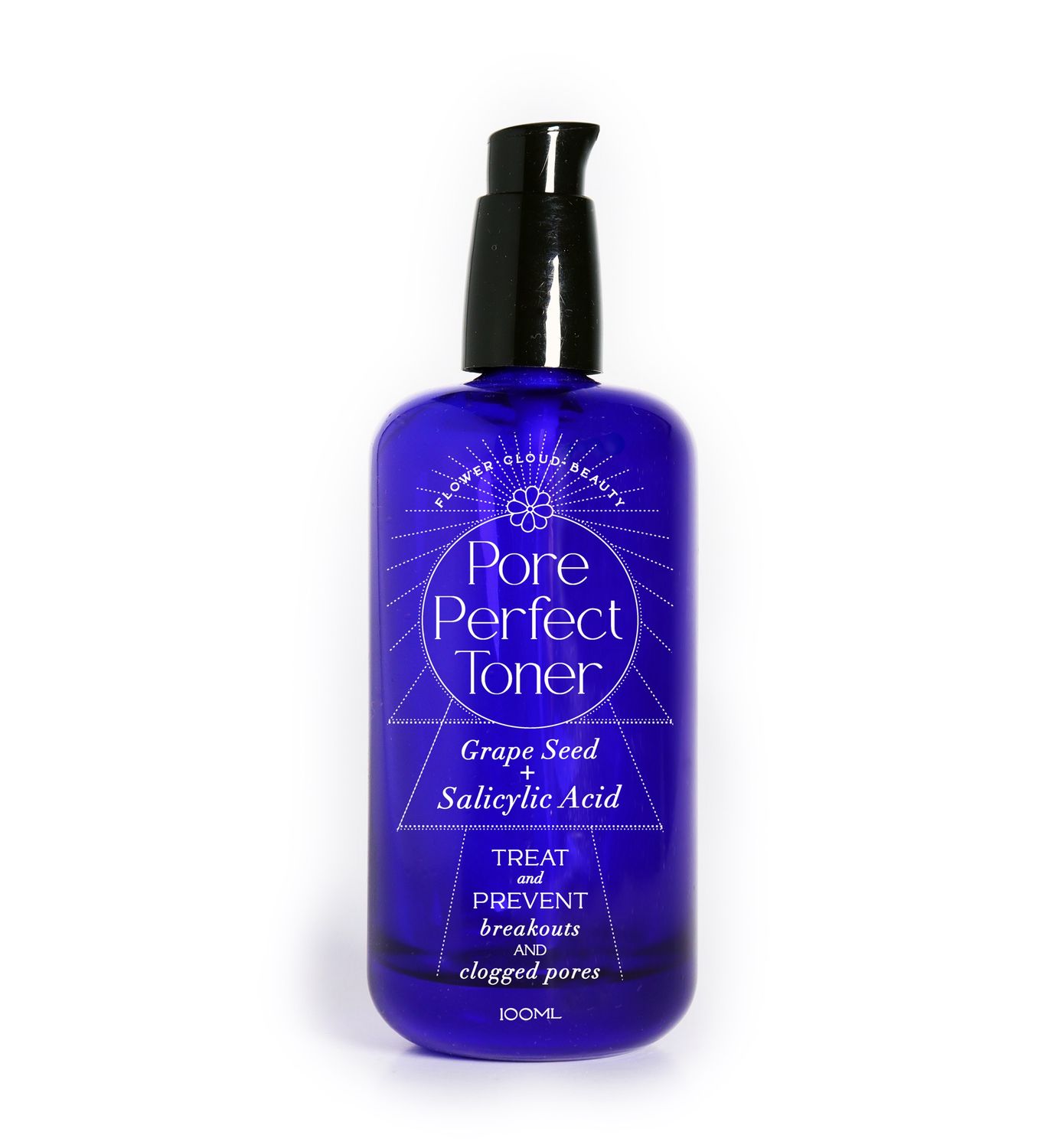
pore perfect toner w/ salicylic acid
pore perfect toner w/ salicylic acid
($8-$42.50) for blackhead + breakout control
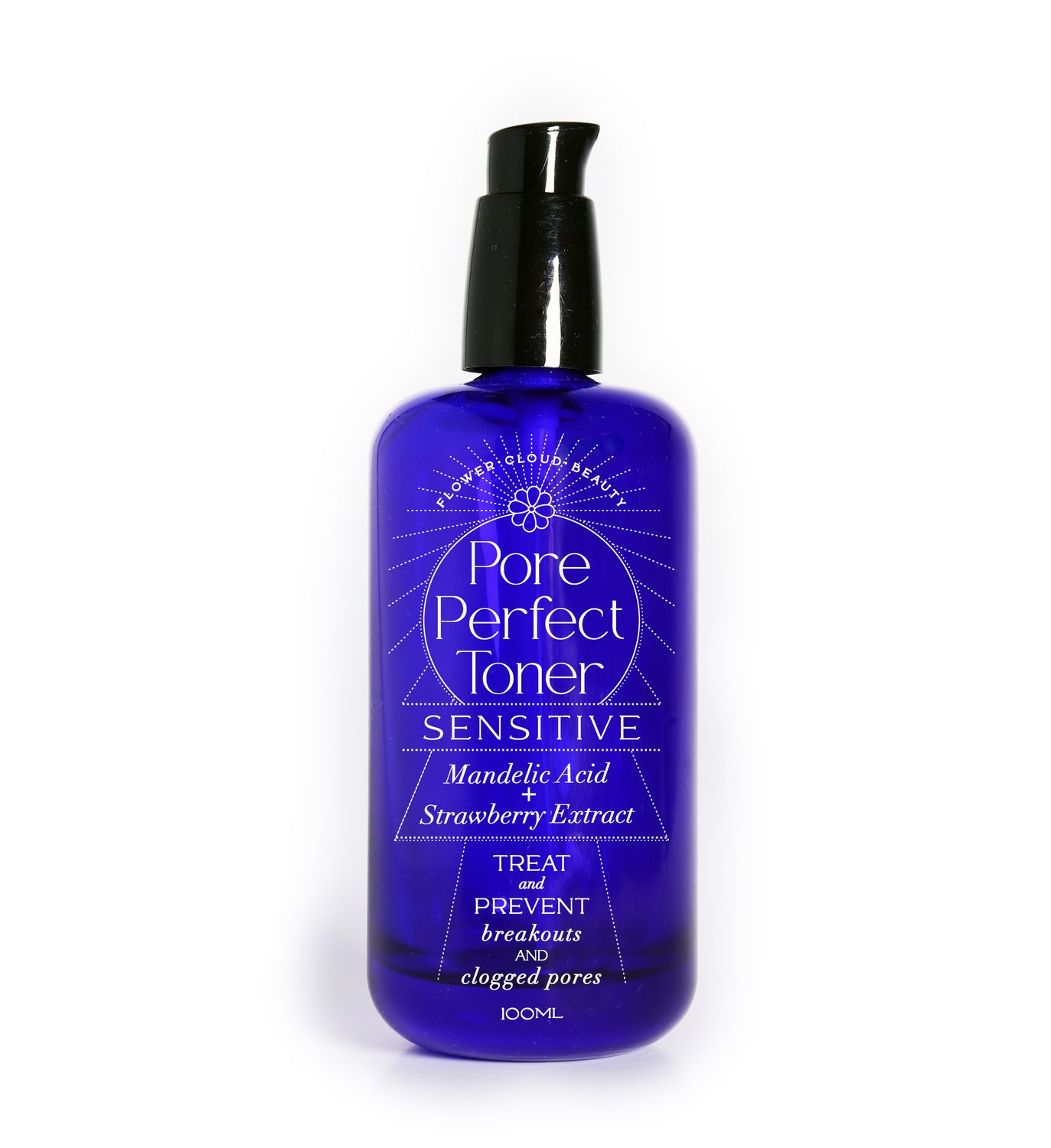
pore perfect toner sensitive w/ mandelic acid
pore perfect toner sensitive w/ mandelic acid
($8-$42.50) for blackhead + breakout control
Powered by Lightspeed
Display prices in:USD