niacinamide for smaller looking pores and an even tone
The ingredient that does a little of everything. Well.
If there were an award for the most versatile skincare ingredient, Niacinamide would be a top contender. Also known as Vitamin B3, this water-soluble vitamin has evolved from a supporting player to a cornerstone of modern skincare regimens. Its appeal lies in a rare combination of proven efficacy and exceptional gentleness, making it suitable for almost every skin type and concern. Here's the robust scientific evidence that supports its superstar status.
What is Niacinamide?
Niacinamide is the active form of Vitamin B3. Unlike its precursor, niacin (nicotinic acid), it does not cause flushing, making it ideal for topical application. It's a small, stable molecule that penetrates the skin easily and participates in numerous cellular processes, primarily by acting as a precursor to vital coenzymes NAD and NADP, which are essential for energy production and repair.
The science-backed benefits
1. Barrier support and hydration
A strong skin barrier is the foundation of healthy-looking skin. Niacinamide helps support this barrier by encouraging the production of key barrier lipids: ceramides, fatty acids, and cholesterol.
Research shows that Niacinamide significantly increases the synthesis of ceramides and other skin lipids in the stratum corneum. This leads to a more supported skin barrier, which better retains moisture and helps defend against environmental aggressors and irritants [1].
The result: a reduction in transepidermal water loss (TEWL), leading to better-hydrated, more resilient-looking skin that is less prone to sensitivity.
2. Sebum regulation and the look of pores
For those with oily and congested skin, Niacinamide offers a gentle yet effective approach to regulating oil production.
A seminal study published in the Journal of Cosmetic and Laser Therapy found that applying a 2% Niacinamide gel twice daily for 4 weeks significantly reduced sebum production in the participants' facial skin. This effect is attributed to its ability to help regulate the activity of sebaceous glands without over-drying the skin [2].
3. The look of fine lines and uneven tone
Niacinamide is a multi-tasking ingredient that addresses both the look of fine lines and discoloration.
- Pigmentation: it helps inhibit the transfer of pigment (melanin) from melanocytes to surrounding skin cells (keratinocytes). This action, demonstrated in clinical studies, leads to a gradual reduction in the look of hyperpigmentation, sun spots, and melasma for a more even tone [3].
- Fine lines: by supporting collagen production and improving the look of skin elasticity, Niacinamide can help reduce the appearance of fine lines. It also functions as an antioxidant, helping to protect skin from free radical damage caused by UV exposure and pollution.
4. Soothing support for reactive skin
Niacinamide's soothing properties make it valuable for calming the look of irritation and supporting skin that's prone to reactivity.
Studies have shown that topical Niacinamide can help calm the look of redness and support the skin's natural balance, making it a valuable non-antibiotic approach for managing the appearance of congested, reactive skin [4].
Niacinamide vs. other actives
vs. Retinoids
Retinoids are the gold standard for the look of fine lines and congestion but can cause irritation. Niacinamide offers complementary benefits (barrier support, hydration, oil control) with minimal irritation, and can be used alongside retinoids to help buffer their side effects.
vs. Vitamin C
Both are antioxidants. Vitamin C is more targeted for photoprotection and brightening via direct tyrosinase inhibition. Niacinamide brightens by a different mechanism (helping inhibit pigment transfer) and adds barrier, oil-control, and soothing benefits. They can be used together synergistically.
vs. Hyaluronic Acid
Hyaluronic Acid is a pure humectant that draws water into the skin. Niacinamide helps the skin retain that water by supporting the barrier, making them an excellent pairing.
How to incorporate Niacinamide into your routine
Niacinamide is well tolerated and can be found in a vast array of products, including serums, moisturizers, toners, and even sunscreens. Concentrations in OTC products typically range from 2% to 10%, with 5% being a common and effective starting point.
Tips for use:
- Versatility: it can be used both morning and night.
- Layering: it plays well with almost every other ingredient, including acids, peptides, and other antioxidants. Its barrier-supporting properties can help buffer the potential irritation from stronger actives like retinoids.
- Start simple: while generally non-irritating, some people may experience minor redness or flushing with very high concentrations (10%+). Starting with a lower concentration or a formula that combines it with other soothing ingredients is advisable for very sensitive skin.
- Consistency is key: as with most skincare, daily use yields the best long-term results for barrier support, oil regulation, and the look of uneven tone.
The bottom line
Niacinamide is not a trend; it's a foundational ingredient backed by decades of dermatological science. Its unique ability to simultaneously support the skin barrier, regulate oil, soothe the look of irritation, minimize the look of pores, and address the look of uneven tone is virtually unmatched. Gentle enough for sensitive skin yet effective enough for visible results, it's a true multi-tasking superstar that deserves a permanent place in virtually every skincare regimen.
References
- Tanno, O., Ota, Y., Kitamura, N., Katsube, T., & Inoue, S. (2000). Nicotinamide increases biosynthesis of ceramides as well as other stratum corneum lipids to improve the epidermal permeability barrier. British Journal of Dermatology, 143(3), 524–531.
- Draelos, Z. D., Matsubara, A., & Smiles, K. (2006). The effect of 2% niacinamide on facial sebum production. Journal of Cosmetic and Laser Therapy, 8(2), 96–101.
- Hakozaki, T., Minwalla, L., Zhuang, J., Chhoa, M., Matsubara, A., Miyamoto, K., ... & Boissy, R. E. (2002). The effect of niacinamide on reducing cutaneous pigmentation and suppression of melanosome transfer. British Journal of Dermatology, 147(1), 20–31.
- Shalita, A. R., Smith, J. G., Parish, L. C., Sofman, M. S., & Chalker, D. K. (1995). Topical nicotinamide compared with clindamycin gel in the treatment of inflammatory acne vulgaris. International Journal of Dermatology, 34(6), 434–437.
This blog post is for informational purposes only and does not constitute medical advice. While Niacinamide is generally considered safe for topical use, always consult a dermatologist or healthcare provider for persistent skin concerns.
Interested in trying niacinamide? Our Clarity Serum and Clear Up Serums are a great way to experience this ingredient without over-drying your skin.
Refine by


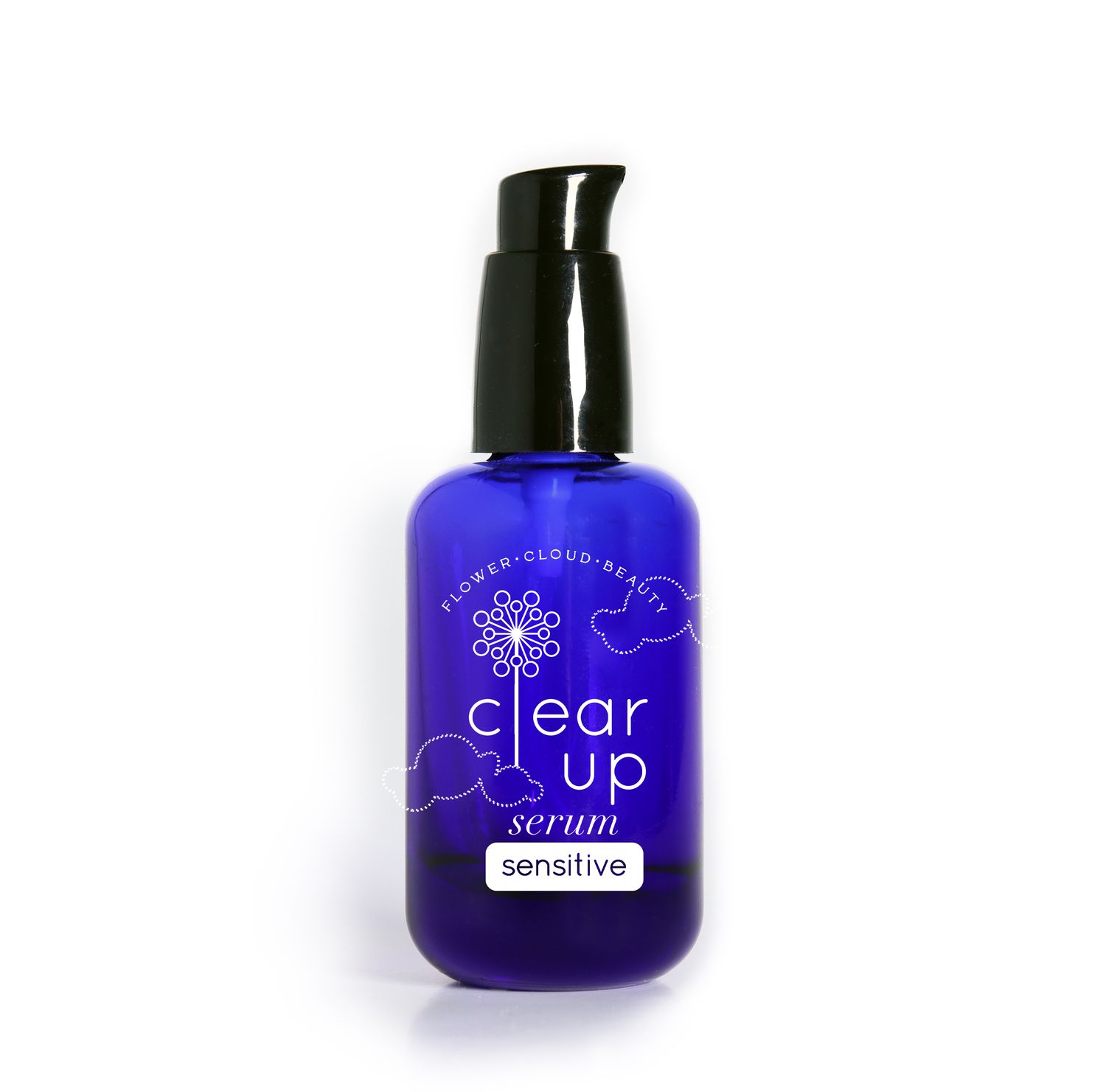
clear-up serum sensitive
clear-up serum sensitive
($6-$27.50) w/ zinc pca & niacinamide for sensitive breakout-prone skin
Powered by Lightspeed
Display prices in:USD