lactic acid: sensitive skin’s best friend
Gentle enough to hydrate. Effective enough to resurface.
In the quest for radiant, smooth skin, exfoliation is key. But for those with dry or sensitive skin, many acids feel too harsh — leading to redness and irritation. Enter Lactic Acid. This gentle yet effective alpha-hydroxy acid (AHA) offers a unique combination of exfoliation and hydration, making it a standout ingredient for a wide range of skin types. But is the hype supported by science? Here's the evidence.
What is Lactic Acid?
Lactic Acid is an AHA naturally found in sour milk and various plants. It's also produced by our own bodies during strenuous exercise. In skincare, its molecular size is larger than Glycolic Acid but smaller than Mandelic Acid. That mid-size profile is crucial: it allows for effective exfoliation but with slower skin penetration, resulting in less potential for irritation than its more potent cousin, Glycolic Acid.
That gentleness, coupled with its hydrating properties, makes it a premier choice for those new to chemical exfoliants — or with sensitive, dry, or mature skin.
The science-backed benefits
Lactic Acid's benefits extend far beyond simple exfoliation, with clinical studies highlighting its multi-faceted role in skin health.
1. Gentle exfoliation and skin renewal
Like other AHAs, Lactic Acid works by disrupting the "glue" (desmosomes) that holds dead skin cells together on the stratum corneum. This process promotes cellular turnover, revealing brighter, smoother, more even-toned skin.
A pivotal study in Dermatologic Surgery demonstrated that consistent use of AHAs like Lactic Acid significantly reduces corneocyte cohesion and increases epidermal thickness. This means it effectively removes the dull outer layer while strengthening the living layers of the skin, improving overall skin health and resilience [1].
2. Hydration and moisture barrier support
This is where Lactic Acid truly distinguishes itself. It's a natural member of the skin's Natural Moisturizing Factor (NMF), the group of compounds that help the stratum corneum retain water.
Research has shown that Lactic Acid not only exfoliates but also significantly increases ceramide synthesis and skin hydration. A study applying 8% L-lactic acid to aged skin found a marked increase in ceramide levels and overall stratum corneum quality, leading to improved skin barrier function and a plumper, more hydrated appearance [2]. This dual action of exfoliation and hydration is rare among acids.
3. Improvement of hyperpigmentation and photoaging
By accelerating the turnover of pigmented cells, Lactic Acid can effectively fade dark spots, sun damage, and melasma over time. Its gentle nature makes it a suitable option for individuals with darker skin tones, who are more prone to post-inflammatory hyperpigmentation from harsh treatments.
Clinical studies support its efficacy. Research published in Dermatologic Surgery found that Lactic Acid peels were effective in treating melasma and photoaging, with patients showing significant improvement in skin smoothness, pigmentation, and overall lightening effect. The study also noted an excellent safety profile with minimal side effects [3].
4. Anti-aging properties
The combined effects of exfoliation, hydration, and barrier repair contribute to a reduction in the appearance of fine lines. Well-hydrated skin appears plumper, making lines less visible, while increased cell turnover promotes a fresher, more youthful-looking complexion.
Lactic Acid vs. other acids
vs. Glycolic Acid
Glycolic Acid has a smaller molecular size, penetrates more deeply and quickly, and is more potent — but also more potentially irritating. Lactic Acid offers a gentler alternative with added hydrating benefits.
vs. Salicylic Acid (BHA)
Salicylic Acid is oil-soluble and designed to penetrate and clear pores, making it ideal for oily, acne-prone skin. Lactic Acid is water-soluble and works on the skin's surface, making it better for dry, dehydrated, or sensitive skin types.
vs. Mandelic Acid
Both are known for being gentle. Mandelic Acid has a larger molecule, making it the gentlest AHA — often recommended for very sensitive or rosacea-prone skin. Lactic Acid sits in the middle, offering a balance of efficacy and gentleness with the unique bonus of hydration.
How to incorporate Lactic Acid into your routine
Lactic Acid is available in various concentrations:
- Leave-on products: toners (like our Smoothing Solution), lotions, and creams — typically 3–10% concentration — are excellent for regular, at-home use.
- Professional peels: in-office treatments (often 30%+ concentration) provide more intensive results and should be administered by a skincare professional.
Tips for use:
- Start low and slow. Begin with a lower concentration — 3%, like our Smoothing Solution — and use it 2–3 times a week, gradually increasing frequency as your skin builds tolerance.
- Listen to your skin. Its gentleness means it's often well tolerated, but if you experience stinging or redness, reduce frequency.
- Moisturize. While Lactic Acid is hydrating, following up with a moisturizer locks in benefits and supports barrier health.
- Sunscreen is non-negotiable. As with all AHAs, Lactic Acid increases sun sensitivity. Daily use of a broad-spectrum SPF 30+ is essential to protect your newly revealed skin.
The bottom line
Lactic Acid is much more than a mild exfoliator. It's a multi-functional skincare hero backed by clinical evidence for its ability to gently resurface the skin while simultaneously boosting hydration and reinforcing the skin's natural moisture barrier. For anyone seeking a brighter, smoother, more hydrated complexion without the sting of stronger acids, Lactic Acid is an exceptional and scientifically validated choice.
References
- Kim, S. J., Park, J. H., Kim, D. H., Won, Y. H., & Maibach, H. I. (2003). Increased in vivo collagen synthesis and in vitro cell proliferative effect of glycolic acid. Dermatologic Surgery, 29(4), 359–364. (Study on glycolic acid; cited here as foundational AHA mechanism evidence that applies to the AHA family, including lactic acid.)
- Rawlings, A. V., Davies, A., Carlomusto, M., Pillai, S., Zhang, K., Kosturko, R., & Chandar, P. (1996). Effect of lactic acid on skin surface and stratum corneum properties. International Journal of Cosmetic Science, 18(3), 125–140.
- Sharquie, K. E., Al-Tikreety, M. M., & Al-Mashhadani, S. A. (2005). Lactic acid as a new therapeutic peeling agent in melasma. Dermatologic Surgery, 31(2), 149–154.
This blog post is for informational purposes only and does not constitute medical advice. Always consult a dermatologist or healthcare provider before starting any new skincare treatment.
Refine by
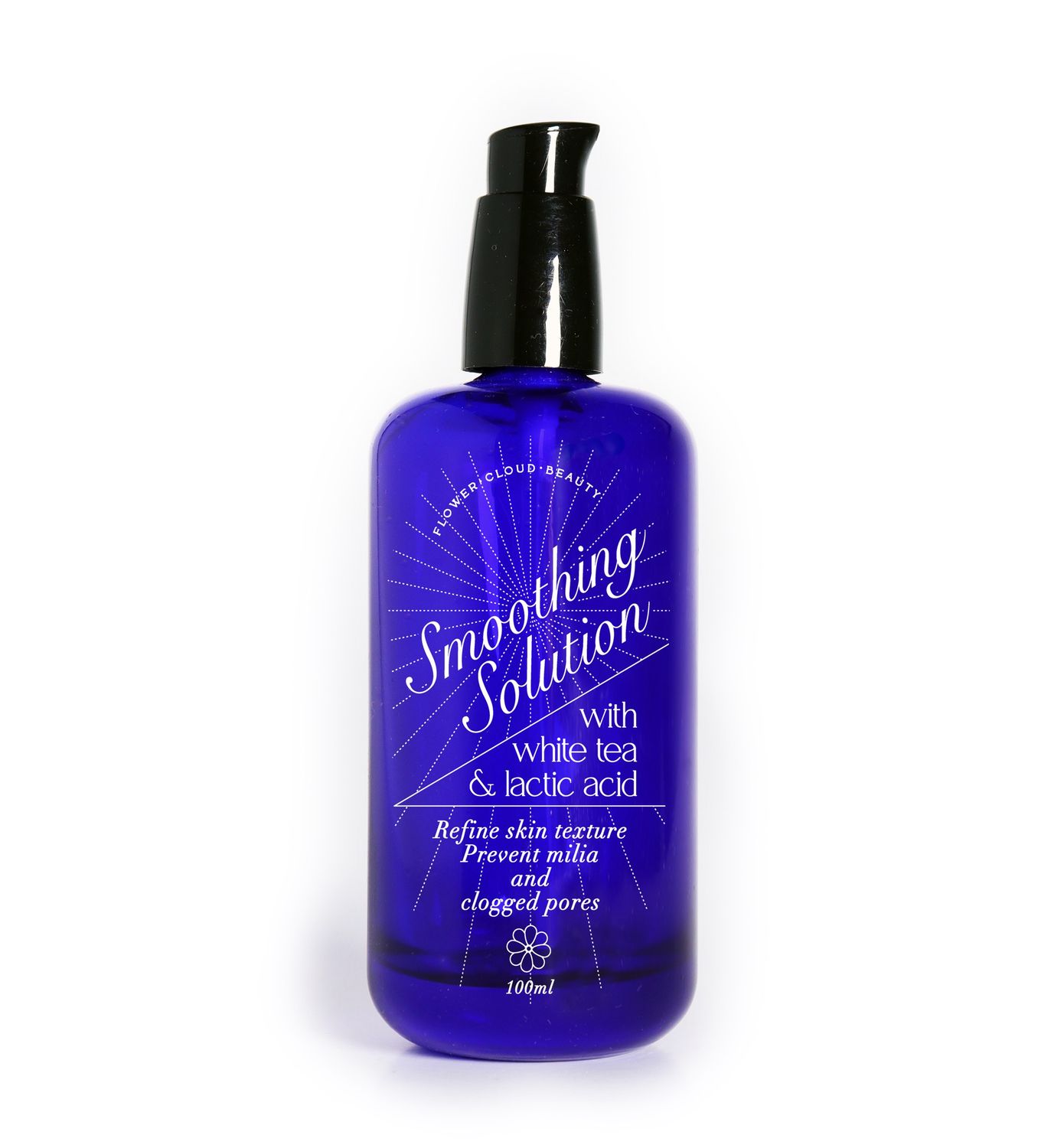
smoothing solution w/ lactic acid
smoothing solution w/ lactic acid
($8-$42.50) for sensitive, rosacea- & milia-prone skin
Powered by Lightspeed
Display prices in:USD