azelaic acid: finally, an antimicrobial option that doesn’t bleach everything!
The acid that does more than exfoliate.
In the search for effective skincare ingredients, few can match the versatility of Azelaic Acid. This naturally occurring acid, found in grains like wheat and barley, is a unique multi-action ingredient that sits at the intersection of congestion and redness concerns. Unlike many ingredients that target a single concern, Azelaic Acid delivers a powerful one-two approach, making it a favorite among dermatologists. Here's the science behind this unsung hero.
What is Azelaic Acid?
Azelaic Acid is a naturally occurring dicarboxylic acid. It's produced by yeast that lives on normal skin and can also be derived from grains. Its mechanism of action is multi-faceted, targeting the key factors involved in the look of congested and reactive skin. This makes it a valuable ingredient for those dealing with both concerns simultaneously.
The science-backed benefits
Azelaic Acid's efficacy is supported by clinical research, leading to its use in prescription formulations (15%–20% gel) in many countries. Its benefits are broad and well documented.
1. Support for the look of congestion
Azelaic Acid is well known for its ability to address the two primary factors involved in the look of congestion: bacteria and keratinization.
- Antimicrobial activity: it possesses antimicrobial activity against Cutibacterium acnes and Staphylococcus epidermidis by inhibiting microbial cellular protein synthesis [1].
- Normalization of keratinization: it helps normalize the shedding of skin cells inside the follicle, helping reduce the look of microcomedones—the precursor to visible congestion. This comedolytic effect helps keep pores clear.
A review has examined the role of Azelaic Acid in managing congestion and post-inflammatory hyperpigmentation, noting its favorable tolerability profile [2].
2. Support for the look of redness
Azelaic Acid is well known for its dual soothing and antimicrobial effects, making it valuable for skin prone to redness and reactivity.
- Soothing action: it helps inhibit the production of reactive oxygen species (ROS) by neutrophils, which play a key role in the look of inflammation seen in reactive skin.
- Reduction of the look of redness: by calming the look of irritation and targeting the visible factors involved in reactivity, it helps reduce the number of visible lesions and overall redness.
A pivotal study published in the Archives of Dermatology demonstrated that 15% Azelaic Acid gel applied twice daily significantly reduced the number of inflammatory lesions in rosacea patients compared to a vehicle control. The treatment was well tolerated and provided rapid improvement [3].
3. Support for the look of uneven tone
Azelaic Acid is effective for addressing the look of post-inflammatory hyperpigmentation (PIH) and melasma. It works by:
- Helping inhibit tyrosinase: it helps inhibit tyrosinase, the key enzyme involved in melanin (pigment) production.
- Targeting hyperactive melanocytes: it selectively targets hyperactive melanocytes, which are responsible for producing excess pigment, while leaving normal cells unaffected. This makes it particularly useful for addressing the look of melasma.
Azelaic Acid vs. other acids
vs. Salicylic Acid (BHA)
Both are comedolytic. Salicylic Acid is oil-soluble and excels at deep pore cleansing. Azelaic Acid is known for its soothing and antimicrobial effects, making it better for skin prone to redness and reactivity.
vs. Glycolic Acid (AHA)
Glycolic Acid is a superficial exfoliant that improves texture and tone. Azelaic Acid offers exfoliation but adds meaningful antimicrobial and pigment-targeting benefits.
vs. Benzoyl Peroxide
Both are antimicrobial. Benzoyl Peroxide is a potent oxidizer that can be highly irritating and bleach fabrics. Azelaic Acid provides antimicrobial support with minimal irritation and no bleaching.
vs. Kojic Acid/Hydroquinone
These are primarily tyrosinase inhibitors for pigmentation. Azelaic Acid offers comparable brightening effects but with the added benefit of also addressing congestion and redness.
How to incorporate Azelaic Acid into your routine
Azelaic Acid is available in both prescription strength (typically 15% and 20%) and over-the-counter formulations (usually up to 10%).
- Prescription (e.g., Finacea® 15% gel, Azelex® 20% cream): for moderate to severe concerns, available through a dermatologist.
- Over-the-Counter (5%–10%): found in serums and creams, suitable for mild concerns, general redness, and maintaining results.
Tips for use:
- Application: a pea-sized amount for the entire face is sufficient. It can be applied once or twice daily after cleansing and before moisturizing.
- Tolerance: it is generally well tolerated, but some users may experience mild itching, stinging, or dryness upon initial use, which usually subsides within a few weeks.
- Pairing: it pairs excellently with many other actives. It is often used with retinoids (applied at different times of day) or with Niacinamide for redness concerns.
- Sunscreen: as with any routine addressing pigmentation and the look of redness, daily broad-spectrum sunscreen use is crucial.
The bottom line
Azelaic Acid is a uniquely versatile, evidence-based workhorse. Its ability to address the look of congestion, soothe the look of redness, and reduce the look of uneven tone with minimal irritation is virtually unmatched. Backed by decades of clinical research, it is a well-tolerated ingredient for millions. If you're dealing with the look of red, inflamed bumps—whether from congestion or reactivity—Azelaic Acid deserves a prime spot in your skincare regimen.
References
- Leeming, J. P., Holland, K. T., & Bojar, R. A. (1986). The in vitro antimicrobial effect of azelaic acid. British Journal of Dermatology, 115(5), 551–556.
- Woolery-Lloyd, H. C., & Keri, J. (2013). Retinoids and azelaic acid to treat acne and hyperpigmentation in skin of color. Journal of Drugs in Dermatology, 12(4), 434–437.
- Elewski, B. E., Fleischer, A. B., & Pariser, D. M. (2003). A comparison of 15% azelaic acid gel and 0.75% metronidazole gel in the topical treatment of papulopustular rosacea: results of a randomized trial. Archives of Dermatology, 139(11), 1444–1450.
This blog post is for informational purposes only and does not constitute medical advice. For conditions like acne, rosacea, and melasma, it is always best to consult with a board-certified dermatologist to determine the most appropriate plan for your individual needs.
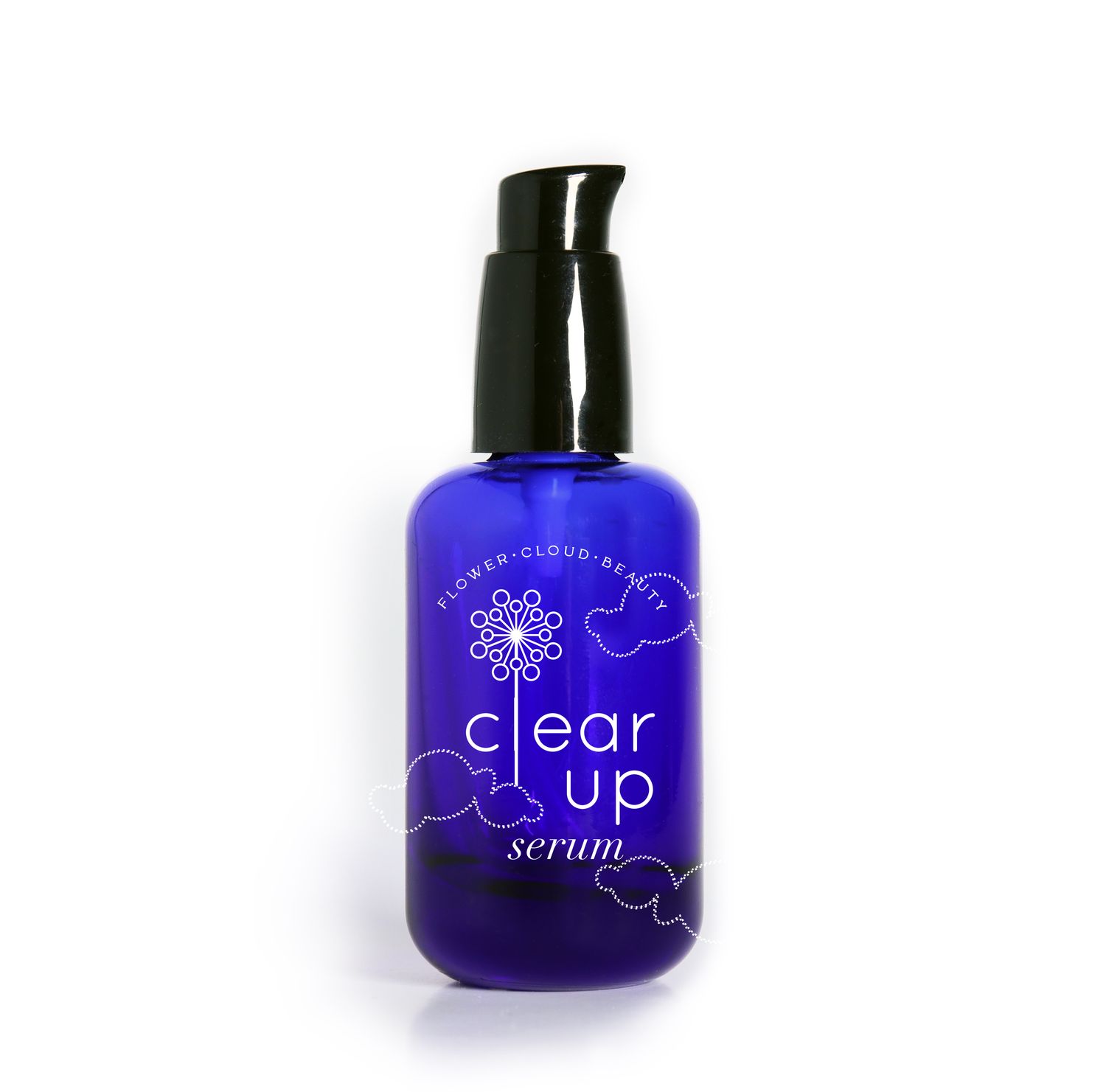
If you'd like to try a gentle version of azelaic acid, try our Clear Up Serum!
Refine by
Powered by Lightspeed
Display prices in:USD