all about tranexamic acid, the mildest and most effective way to fade sun spots
The brightening agent that works differently. And gently.
In the world of skincare, few ingredients have made as dramatic an entrance as Tranexamic Acid. Originally used in medicine for decades to help manage bleeding, this multifunctional molecule has been repurposed by dermatologists for addressing stubborn hyperpigmentation. Unlike acids that exfoliate, Tranexamic Acid works on a cellular level to help interrupt the process that contributes to discoloration. Here's the science behind this groundbreaking ingredient.
What is Tranexamic Acid?
Tranexamic Acid (TXA) is a synthetic derivative of the amino acid lysine. It's classified as an antifibrinolytic agent, meaning it helps prevent the breakdown of blood clots. While its systemic use is well established, its topical application for skin concerns is a more recent development.
Its mechanism of action for skin brightening is distinct from that of alpha-hydroxy acids (AHAs) like Glycolic Acid. Instead of exfoliating the surface, TXA targets the look of hyperpigmentation by interfering with multiple steps in the melanin production pathway.
The science-backed benefits
The efficacy of topical Tranexamic Acid is supported by a growing body of clinical research, particularly for addressing the look of melasma and post-inflammatory hyperpigmentation (PIH).
1. The look of melasma
Melasma is a complex, stubborn form of hyperpigmentation often triggered by hormones and UV exposure. TXA has shown notable efficacy in improving its appearance.
TXA works by:
- Helping inhibit plasminogen activation: UV exposure activates plasminogen to plasmin in keratinocytes (skin cells). Plasmin then stimulates melanocytes (pigment-producing cells) to produce more melanin. TXA helps block this interaction, effectively putting a brake on this UV-induced pigment signal [1].
- Helping inhibit melanocyte activation: by helping prevent the interaction between keratinocytes and melanocytes, TXA helps reduce the transfer of pigment to skin cells [2].
A comprehensive review published in Dermatologic Therapy examined multiple studies and concluded that Tranexamic Acid—whether topical, oral, or injected—is a well-tolerated option for melasma. The analysis noted that topical formulations showed a lower incidence of side effects compared to systemic administration [3].
2. The look of post-inflammatory hyperpigmentation (PIH)
PIH—the dark spots that remain after a blemish or wound has healed—is a common concern, especially for darker skin tones. By helping interrupt the inflammatory pathways that can overstimulate melanocytes, TXA can help reduce the look of these stubborn spots.
3. Overall brightening and the look of redness
Due to its soothing properties, TXA can also help reduce the look of general redness and promote a more even, luminous complexion, making it a valuable ingredient for those with rosacea-prone or sensitive skin that cannot tolerate traditional acids.
Tranexamic Acid vs. other brightening agents
vs. Hydroquinone
Hydroquinone is a potent depigmenting agent that works by inhibiting the enzyme tyrosinase. However, it can cause irritation and, with prolonged use, ochronosis (blue-black discoloration). TXA offers an alternative with a different, multi-targeted mechanism and a more favorable safety profile, making it suitable for long-term use.
vs. Vitamin C
A tyrosinase inhibitor, Vitamin C works at a single point in the pigment production pathway. TXA's unique mechanism of targeting the interaction between skin cells and pigment cells offers a complementary approach. Tranexamic Acid can be used with Vitamin C for a multi-pronged approach to the look of uneven tone.
vs. AHAs/BHAs (Glycolic, Salicylic Acid)
These acids work by exfoliating the surface layer of the skin to reveal less-pigmented skin underneath. They do not affect melanin production. Using TXA with exfoliating acids can be highly effective: the acids remove pigmented cells while TXA helps reduce the look of new pigment from forming.
How to incorporate Tranexamic Acid into your routine
Topical Tranexamic Acid is typically found in serums and creams, often in concentrations between 2% and 10%. It is well tolerated by most skin types, including sensitive skin.
Tips for use:
- Consistency is key. As it works by helping reduce the look of new pigment formation, consistent daily use is essential for seeing results, which can take 8–12 weeks.
- Layer smartly. It pairs excellently with other brightening agents like Niacinamide and/or Vitamin C in a comprehensive regimen.
- Sunscreen is non-negotiable. UV exposure is a primary trigger for melanin production. Using TXA without daily broad-spectrum sunscreen is counterproductive. This is the most critical step in any routine addressing the look of uneven tone.
- Consult a dermatologist. For persistent melasma, a dermatologist can create a tailored plan, which may include prescription-grade topical TXA, oral TXA, or combination therapies with lasers or peels.
The bottom line
Tranexamic Acid represents a paradigm shift in how we address the look of hyperpigmentation. Moving beyond simple exfoliation and tyrosinase inhibition, it offers a sophisticated, multi-targeted approach that helps interrupt the signals that cause melanocytes to overproduce pigment. Backed by clinical evidence, particularly for the look of melasma, and boasting a favorable safety profile, TXA has rightfully earned its place as a cornerstone ingredient in modern skincare for a brighter, more even-looking complexion.
References
- Maeda, K., & Naganuma, M. (1998). Topical trans-4-aminomethylcyclohexanecarboxylic acid prevents ultraviolet radiation-induced pigmentation. Journal of Photochemistry and Photobiology B: Biology, 47(2–3), 136–141.
- Lee, J. H., Park, J. G., Lim, S. H., Kim, J. Y., Ahn, K. Y., Kim, M. Y., & Park, Y. M. (2006). Localized intradermal microinjection of tranexamic acid for treatment of melasma in Asian patients: a preliminary clinical trial. Dermatologic Surgery, 32(5), 626–631.
- Taraz, M., Niknam, S., & Ehsani, A. H. (2017). Tranexamic acid in treatment of melasma: A comprehensive review of clinical studies. Dermatologic Therapy, 30(3), e12465.
This blog post is for informational purposes only and does not constitute medical advice. While topical Tranexamic Acid is generally considered safe, oral administration requires strict medical supervision due to potential side effects. Always consult with a dermatologist or healthcare provider before starting any new skincare treatment, especially for a condition like melasma.
If you'd like to try a gentle tranexamic acid serum, our Clarity and Clarity Sensitive Serums are a great choice:
Refine by

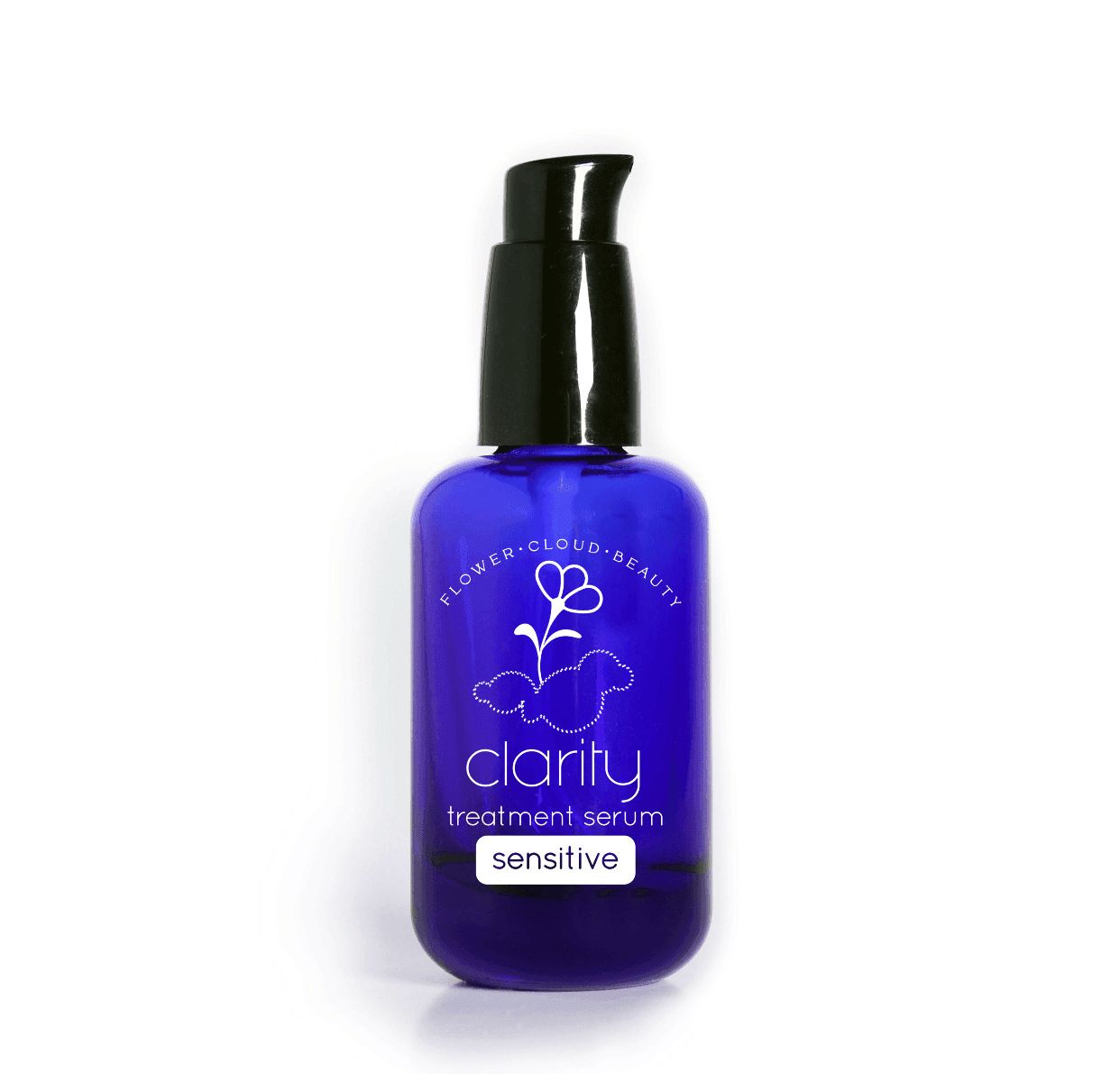
clarity serum sensitive
clarity serum sensitive
($7.50-$45) w/ tranexamic acid for sun damaged + sensitive skin
Powered by Lightspeed
Display prices in:USD