all about THD vitamin C, the gentlest and stablest C option out there
The Vitamin C that doesn't sting. And actually gets in.
In the quest for stable, potent, deeply penetrating Vitamin C, one form has risen to the top: Tetrahexyldecyl Ascorbate, or THD Ascorbate. This isn't your standard L-Ascorbic Acid. It's a fat-soluble ester of Vitamin C, engineered to overcome the classic limitations of its water-soluble cousin. If you've struggled with the instability, irritation, or limited penetration of traditional Vitamin C serums, THD Ascorbate might be the solution. Here's the science behind this advanced antioxidant.
What is THD Ascorbate?
THD Ascorbate is a lipid-soluble derivative of Vitamin C (ascorbic acid). It's created by esterifying ascorbic acid with fatty acids, which transforms it into an oil-soluble compound. This fundamental change in solubility is the key to its unique advantages:
- Enhanced stability: it's highly stable against oxidation, meaning it won't turn yellow and degrade quickly when exposed to light and air like L-Ascorbic Acid.
- Superior penetration: its lipid-like nature allows it to pass through the lipid-rich cell membranes of the skin more efficiently. A 2025 study comparing Vitamin C derivatives found that THD Ascorbate achieved 14% penetration after 72 hours, compared to just 0.36% for L-Ascorbic Acid and sodium ascorbate—roughly 38 times greater absorption.
- Reduced irritation: it is significantly less acidic and therefore much gentler on the skin, making it an excellent option for those with sensitive skin who cannot tolerate the low pH of L-Ascorbic Acid.
Once inside the skin cells, enzymes naturally convert THD Ascorbate back into pure, active L-Ascorbic Acid, where it can perform its vital functions.
The science-backed benefits
1. Antioxidant protection
Vitamin C is one of the skin's primary antioxidants, neutralizing free radicals generated by UV exposure and pollution. The lipid-soluble nature of THD Ascorbate allows for superior cutaneous absorption compared to water-soluble forms.
A 2026 study on a 30% THD Ascorbate serum found an 88% reduction in reactive oxygen species (ROS) formation after 30 minutes in an in-vitro tissue model exposed to blue light.
2. Collagen support and the look of firmness
Vitamin C is an essential cofactor for the enzymes responsible for producing collagen. By supporting collagen synthesis, it helps support the look of firmness and reduce the appearance of fine lines.
A 2024 open-label clinical study on a THD-containing eye cream found significant improvements in the appearance of infraorbital dark circles, under-eye puffiness, and fine lines after 12 weeks. A 2026 randomized trial on a 30% THD serum also reported improvements in photoaged skin, including hyperpigmentation and overall skin tone.
3. Brightening and the look of hyperpigmentation
Vitamin C helps inhibit the enzyme tyrosinase, which is involved in melanin production. This helps reduce the look of existing dark spots and supports a more even, radiant complexion.
Clinical studies have shown that formulations containing THD Ascorbate effectively improve skin brightness and reduce the appearance of photodamage and dyspigmentation.
4. Stability and performance—with one important caveat
The primary research-backed advantage of THD Ascorbate is its stability compared to L-Ascorbic Acid. Unlike L-Ascorbic Acid, which requires a low, irritating pH and is notoriously unstable, THD Ascorbate remains effective in a wider pH range and does not readily oxidize.
However, independent research has shown that THD Ascorbate can degrade rapidly under oxidative stress when used alone, and that pairing it with stabilizers (like Acetyl Zingerone) improves its stability within the skin. This is why formulation matters: a well-designed THD serum will include supporting antioxidants to keep it working.
THD Ascorbate vs. other forms of Vitamin C
- vs. L-Ascorbic Acid (L-AA): L-AA is the gold standard for potency but is highly unstable, requires a low pH (<3.5) to penetrate, and can be irritating. THD Ascorbate is stable, effective at a skin-friendly pH, and non-irritating, while still converting to L-AA in the skin.
- vs. Magnesium Ascorbyl Phosphate (MAP) / Sodium Ascorbyl Phosphate (SAP): These are water-soluble, stable derivatives. They are gentle but are generally less potent than THD Ascorbate because they do not penetrate as efficiently into the lipid-rich layers of the skin.
- vs. Ascorbyl Glucoside: Another water-soluble derivative that slowly converts to ascorbic acid. It is stable but its conversion rate and efficacy are typically considered lower than that of THD Ascorbate.
How to incorporate THD Ascorbate into your routine
THD Ascorbate is typically found in serums, oils, and moisturizers. Because it is oil-soluble, it is an excellent addition to oil-based products, which can further enhance its penetration.
Tips for use:
- Application: it can be used both morning and night. Its antioxidant properties make it ideal for morning use to help defend against daily environmental damage.
- Layering: its non-irritating nature allows it to be layered with almost any other active, including retinoids, niacinamide, and other antioxidants.
- No low pH required: you do not need to apply it to cleansed, dry skin or worry about pH-dependent activation, as you do with L-Ascorbic Acid. This makes it much more user-friendly.
- Sunscreen: as with any antioxidant, its primary role is to help protect and support. It is not a substitute for sunscreen but works synergistically with it.
The bottom line
THD Ascorbate represents a significant advancement in Vitamin C technology. It addresses the major drawbacks of L-Ascorbic Acid—instability, irritation, and poor penetration—without sacrificing efficacy. Backed by clinical research demonstrating superior absorption and visible improvements in tone and texture, it is a powerful, elegant, and user-friendly choice for anyone seeking the proven benefits of Vitamin C in a truly stable and effective form.
References
- Maloney, M. E., Kononov, T., & Zahr, A. S. (2025). A Closer Look at Penetration: The Efficacy Gap in Vitamin C Products. Journal of Cosmetic Dermatology, 24(4), e70851. https://doi.org/10.1111/jocd.70851
- Rajabi-Estarabadi, A., Hartman, C. L., Iglesia, S., Kononov, T., & Zahr, A. S. (2024). Effectiveness and tolerance of multicorrective topical treatment for infraorbital dark circles and puffiness. Journal of Cosmetic Dermatology, 23(2), 486–495.
- Maloney, M. E., Hall, M., Kelm, R. C., Kononov, T., & Zahr, A. (2026). Hydroquinone-Free, Tetrahexyldecyl Ascorbate Antioxidant Serum for Hyperpigmented and Photodamaged Skin to Achieve Skin Health. Journal of Cosmetic Dermatology, 25(4). https://doi.org/10.1111/jocd.70826
- Swindell, W. R., et al. (2021). Stability and collagen effects of THD Ascorbate. International Journal of Molecular Sciences.
This blog post is for informational purposes only and does not constitute medical advice. Always consult a dermatologist or healthcare provider before starting any new skincare treatment.
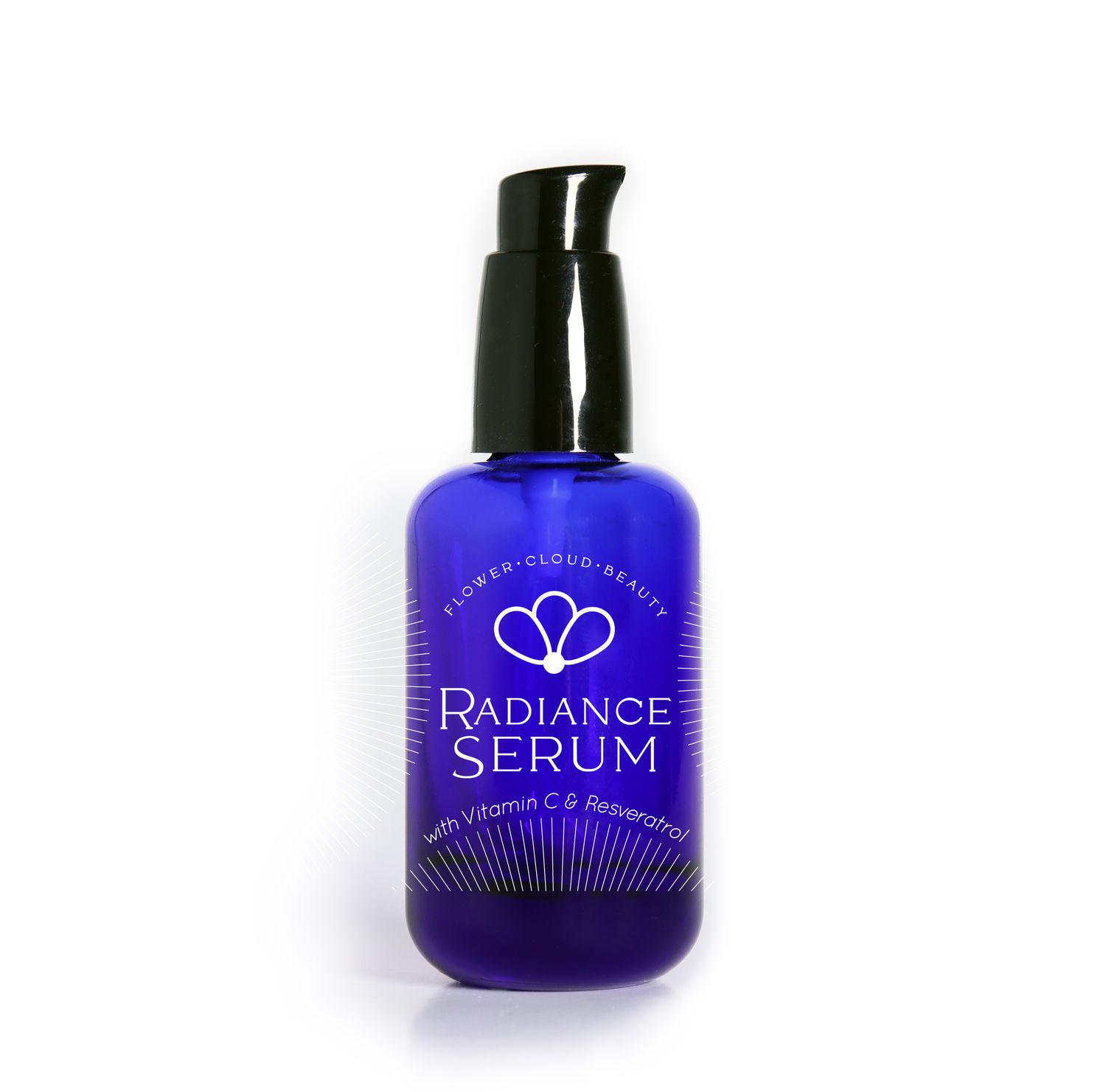
If you'd like to try our Radiance Serum with THD ascorbate, it's a mild yet powerful option for the under eye area or all over the face.
Refine by
Powered by Lightspeed
Display prices in:USD