all about retinol and retinoids: what you don't know CAN hurt you
The gentlest form of Vitamin A. Still worth knowing.
In the world of retinoids, prescription-strength formulas like tretinoin get most of the glory for their dramatic results. But for those seeking a gentler entry point, there's Retinyl Palmitate. As the ester of retinol (Vitamin A) and palmitic acid, it's the largest and most gentle form of Vitamin A available in over-the-counter skincare. But does "gentle" mean "ineffective"? Here's the science behind this common ingredient.
What is Retinyl Palmitate?
Retinyl Palmitate is an ester form of Vitamin A. It's formed by combining retinol (the pure alcohol form of Vitamin A) with palmitic acid, a fatty acid. This structure makes it more stable and less potent than retinol itself.
To become active in the skin, Retinyl Palmitate must undergo a multi-step conversion process: first to retinol, then to retinaldehyde, and finally to retinoic acid — the active form that binds to skin cell receptors. This multi-step process means its effects are milder and more gradual compared to its more potent counterparts.
The science-backed benefits
While less potent than retinol or prescription retinoids, Retinyl Palmitate is not without biological activity. Its benefits are best documented in antioxidant protection and mild surface smoothing.
1. Antioxidant protection
One of the most validated roles of Retinyl Palmitate is its function as an antioxidant. It helps protect the skin from free radical damage caused by UV radiation and environmental pollutants.
A 2023 study in Frontiers in Pharmacology found that retinyl palmitate demonstrated antioxidative and anti-inflammatory activity in vitro, and was effective against UVB-induced photoaging when applied topically in a mouse model [1].
2. Mild skin smoothing
Through its gradual conversion to retinoic acid, Retinyl Palmitate can provide mild surface-smoothing effects, though they are less dramatic than with stronger retinoids.
The same study noted improvements in photoaged skin markers in the animal model, consistent with its gradual conversion to active retinoids in the skin [1]. Results with retinyl palmitate are subtle and build over time—which is exactly why it's a good starting point for sensitive skin.
3. Well tolerated by sensitive skin
Unlike some retinoids that can be drying and disruptive to the skin barrier, especially during the initial "retinization" period, Retinyl Palmitate is generally well tolerated.
Its ester structure has emollient properties, and its multi-step conversion means it acts more gradually than retinol—making it suitable for those with dry or sensitive skin who want to introduce a retinoid without the typical adjustment period.
Retinyl Palmitate vs. other retinoids
Understanding its place in the retinoid hierarchy is key:
- vs. Retinol: Retinol is significantly more potent than Retinyl Palmitate. It requires fewer conversion steps to reach retinoic acid, making it more effective but also more likely to cause irritation.
- vs. Retinaldehyde (Retinal): Retinaldehyde is one step closer to retinoic acid than retinol, making it more potent than both retinol and Retinyl Palmitate.
- vs. Prescription Retinoids (Tretinoin, Tazarotene): These are pure retinoic acid or its analogs. They bind directly to skin receptors, offering the most powerful results but also the highest risk of irritation. Retinyl Palmitate is the mildest member of the family.
The potency hierarchy (least to most potent): Retinyl Palmitate → Retinol → Retinaldehyde → Prescription Retinoic Acid (Tretinoin)
How to incorporate Retinyl Palmitate into your routine
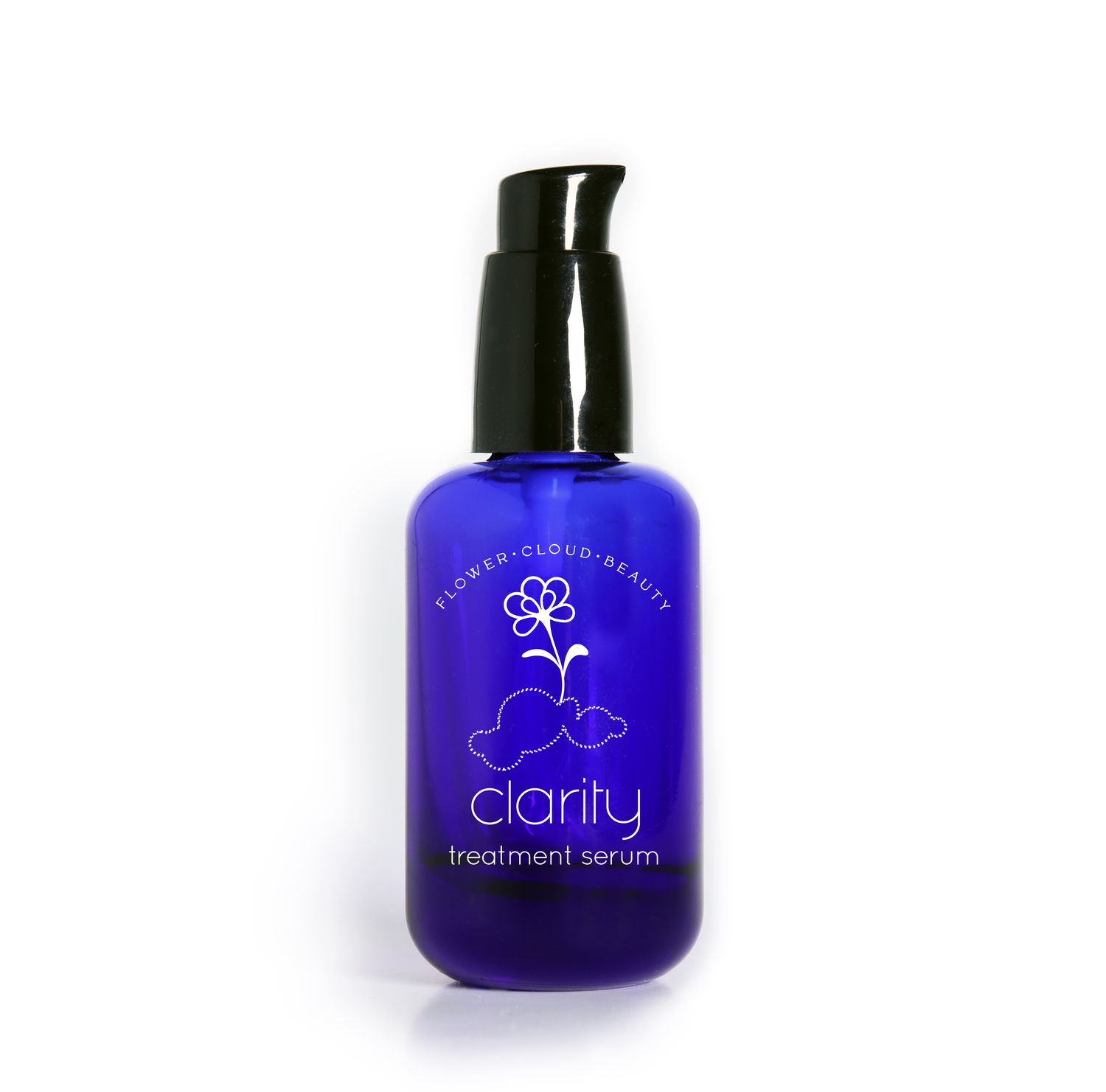
Retinyl Palmitate is found in a wide array of over-the-counter products, including moisturizers, night creams, serums (like our Clarity Serum), and even sunscreens.
Tips for use:
- Ideal user: an excellent choice for skincare beginners, those with very sensitive or dry skin who can't tolerate stronger actives, or anyone looking for mild antioxidant and surface-smoothing benefits.
- Application: it's stable and can often be used both day and night. In sunscreens, it acts as an antioxidant booster.
- No "retinization": users typically do not experience the peeling, redness, or dryness associated with starting stronger retinoids.
- Manage expectations: results will be subtle. It won't produce the dramatic collagen-remodeling effects of a prescription retinoid.
The bottom line
Retinyl Palmitate is the gentle, introductory member of the retinoid family. Backed by science primarily for its antioxidant properties and mild surface-smoothing effects, it offers a low-risk, low-reward option for those seeking to dip their toes into the world of Vitamin A. While it won't replicate the results of a prescription retinoid, it provides a well-tolerated means to achieve a brighter, smoother-looking complexion and enhanced photoprotection.
References
- Shu, P., Li, M., Zhao, N., Wang, Y., Zhang, L., & Du, Z. (2023). Efficacy and mechanism of retinyl palmitate against UVB-induced skin photoaging. Frontiers in Pharmacology, 14, 1278838. https://doi.org/10.3389/fphar.2023.1278838
This blog post is for informational purposes only and does not constitute medical advice. Always consult a dermatologist or healthcare provider before starting any new skincare treatment.
If you'd like to try our Clarity Serum, it's a great option for sensitive skin types who've struggled in the past to use retinols and retinoids.
Refine by
Powered by Lightspeed
Display prices in:USD