all about glycolic acid, the best way to get rid of flakes and dullness
The smallest molecule. The biggest results.
In the world of skincare acids, one name consistently stands out: Glycolic Acid. As the most popular and extensively studied alpha-hydroxy acid (AHA), it's a multi-tasking powerhouse capable of addressing everything from dullness to fine lines. But with great power comes great responsibility. Here's the science behind this gold-standard ingredient.
What is Glycolic Acid?
Glycolic Acid is the smallest and simplest AHA, derived from sugarcane. Its tiny molecular size is its key differentiator and the source of its potency. Because it's so small, it penetrates the skin more easily and deeply than other AHAs, allowing it to work both on the surface and within the lower layers of the epidermis.
That efficient penetration is what makes it so effective — but it's also why it has a higher potential for irritation than its larger cousins, like mandelic or lactic acid.
The science-backed benefits
Decades of clinical research have solidified Glycolic Acid's role as a dermatological staple. Its benefits are wide-ranging and well documented.
1. Enhanced exfoliation and skin renewal
Glycolic Acid works by weakening the bonds that hold dead skin cells together on the skin's surface. This process — corneocyte desquamation — helps shed the dull, rough outer layer to reveal the smoother, brighter skin beneath.
A foundational study in the British Journal of Dermatology demonstrated that topical AHAs like Glycolic Acid increase skin thickness and firmness by stimulating fibroblasts in the dermis, while simultaneously reducing the thickness of the dead outer layer (stratum corneum). This two-pronged action is the core of its skin-renewing effects [1].
2. Anti-aging and fine line reduction
By promoting consistent exfoliation and encouraging collagen production, Glycolic Acid is a proven fighter against photoaging — the wrinkles, laxity, and spots caused by sun exposure.
A landmark study treated photoaged patients with a 25% Glycolic Acid peel series combined with a daily 10% Glycolic Acid lotion. Researchers observed significant improvements in skin smoothness, fine lines, and hyperpigmentation after just three months. Histological analysis confirmed increased collagen formation and epidermal thickening, providing concrete evidence of its structural benefits [2].
3. Improvement of hyperpigmentation and melasma
Glycolic Acid's exfoliating action helps disperse excess melanin in the epidermis, making it effective for sun spots, age spots, and melasma. Its ability to enhance the delivery of other lightening agents further boosts its efficacy.
Research published in Dermatologic Surgery has shown that Glycolic Acid peels are a safe and effective adjuvant therapy for melasma, particularly in individuals with lighter skin tones. The study noted marked to moderate improvement in the majority of patients treated with a series of 50–70% Glycolic Acid peels [3].
4. Acne support
Glycolic Acid helps keep pores clear by dissolving the keratin plugs that can lead to comedones (blackheads and whiteheads). Its exfoliating action also contributes to reducing the look of acne lesions.
Glycolic Acid vs. other acids
vs. Salicylic Acid (BHA)
Salicylic Acid is oil-soluble, making it ideal for penetrating and clearing oily, clogged pores. Glycolic Acid is water-soluble and works primarily on the skin's surface to improve texture and tone. They're often used in combination for a comprehensive approach.
vs. Lactic Acid
Lactic Acid has a slightly larger molecule, so it's gentler and more hydrating. Glycolic Acid is stronger and more potent due to its small size.
vs. Mandelic Acid
Mandelic Acid has a much larger molecule, penetrating slowly and causing minimal irritation. Glycolic Acid is the more aggressive exfoliator.
How to incorporate Glycolic Acid into your routine safely
Glycolic Acid is available in various concentrations:
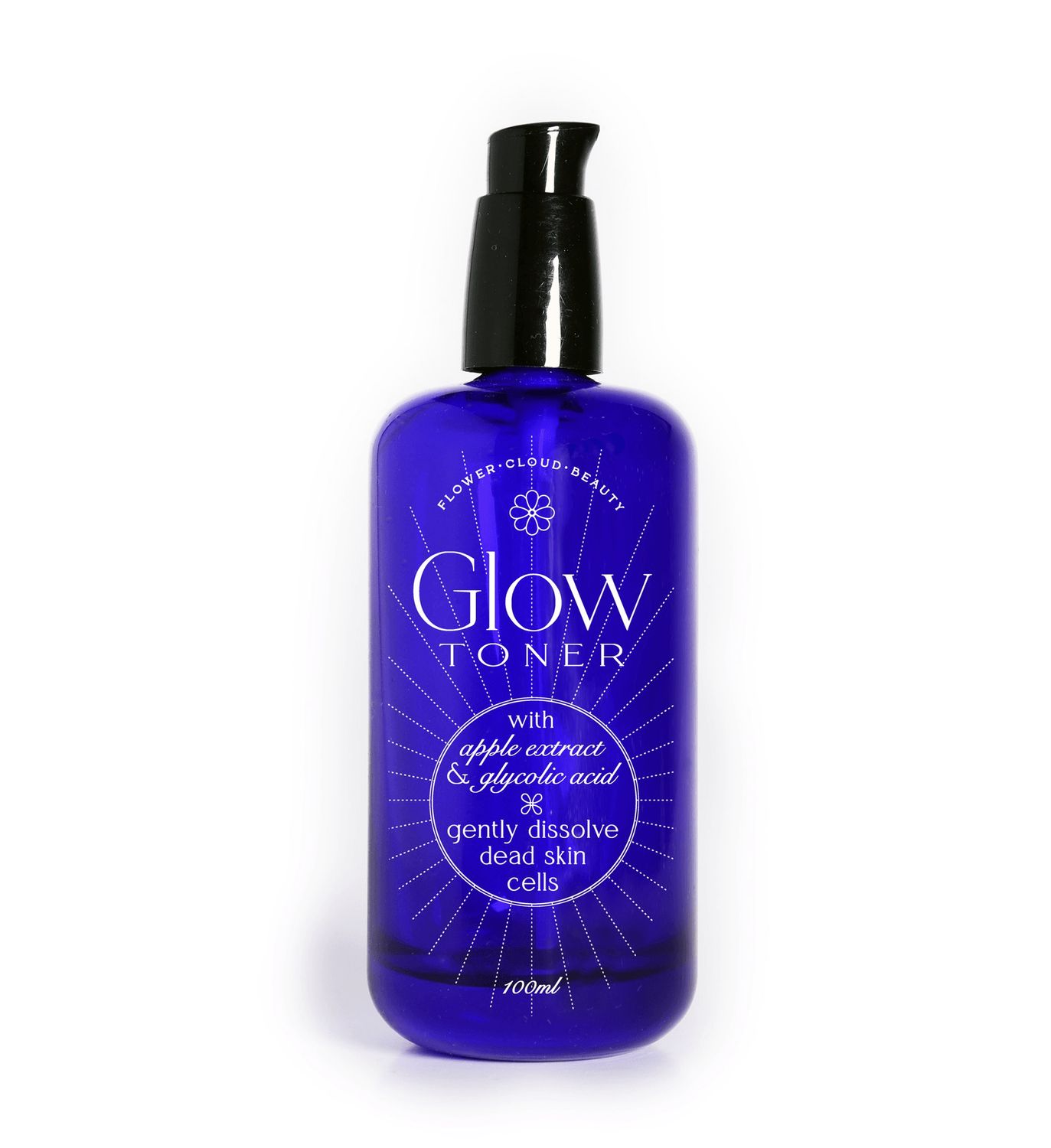
- Leave-on products: over-the-counter toners (like our Glow Toner), serums, and creams — typically 5–10% concentration — for daily or weekly use. We recommend our lower-concentration daily toner approach because it's easier to remember and less likely to cause irritation than higher-concentration formulas.
- Professional peels: in-office treatments (20–70% concentration) for more significant concerns. These should only be performed by a skincare professional.
Crucial safety tips:
- Start low and go slow. Begin with a low concentration — 5%, like ours — and use it 2–3 times a week to assess your skin's tolerance.
- Sunscreen is mandatory. AHAs increase photosensitivity. Daily use of a broad-spectrum SPF 30 or higher is non-negotiable to prevent sun damage and maximize benefits.
- Listen to your skin. Signs of over-exfoliation include stinging, redness, peeling, and irritation. If this occurs, scale back and focus on barrier repair with moisturizers.
- Don't mix recklessly. Avoid combining Glycolic Acid with other potent actives like retinoids or Vitamin C on the same night unless your skin is well accustomed to them.
The bottom line
Glycolic Acid remains a cornerstone of effective skincare for a reason. Its ability to exfoliate, brighten, and support collagen production is backed by a robust body of clinical evidence. While its potency demands respect and a careful approach, its results for aging, dull, and pigmented skin are well documented. When used correctly, it truly is a gold-standard ingredient.
References
- Kim, S. J., Park, J. H., Kim, D. H., Won, Y. H., & Maibach, H. I. (2003). Increased in vivo collagen synthesis and in vitro cell proliferative effect of glycolic acid. Dermatologic Surgery, 29(4), 359–364.
- Ditre, C. M., Griffin, T. D., Murphy, G. F., Sueki, H., Telegan, B., Johnson, W. C., & Yu, R. J. (1996). Effects of alpha-hydroxy acids on photoaged skin: a pilot clinical, histologic, and ultrastructural study. Journal of the American Academy of Dermatology, 34(2), 187–195.
- Lim, J. T. E., & Tham, S. N. (1997). Glycolic acid peels in the treatment of melasma among Asian women. Dermatologic Surgery, 23(3), 177–179.
This blog post is for informational purposes only and does not constitute medical advice. Always consult a dermatologist or healthcare provider before starting any new skincare treatment, especially one as potent as Glycolic Acid.
Refine by
Powered by Lightspeed
Display prices in:USD