mandelic acid: avoid acne AND irritation
Mandelic Acid: The Gentle Giant of Skincare Acids
If you’ve ever felt left out of the acid party because your sensitive, acne-prone, or rosacea-prone skin can’t handle the harshness of glycolic or salicylic acid, it’s time you met mandelic acid. Often dubbed the "gentle giant" of alpha-hydroxy acids (AHAs), this powerhouse ingredient is changing the game for those who need effective but non-irritating skincare.
But what exactly is it, and does the science back up the hype? Let’s dive in.
What is Mandelic Acid?
Mandelic acid is an alpha-hydroxy acid (AHA) derived from bitter almonds. Its key differentiator is its relatively large molecular size compared to other AHAs like glycolic acid.
This might sound like a disadvantage, but it’s actually its superpower. The larger molecule size means it penetrates the skin’s surface more slowly. This results in a gradual, gentle, and less irritating release of its exfoliating benefits, making it ideal for sensitive and darker skin tones that are more prone to post-inflammatory hyperpigmentation (PIH) from harsh treatments.
The Science-Backed Benefits
The research on mandelic acid, while a smaller body of work than for some other acids, is compelling and points to several key benefits.
1. Effective Acne Treatment
Mandelic acid is a multi-tasker when it comes to fighting acne. Its antibacterial properties, particularly against P. acnes bacteria, make it a formidable foe for breakouts.
A significant study published in the Journal of Dermatological Treatment found that a chemical peel containing 5% mandelic acid was highly effective in reducing both inflammatory and non-inflammatory acne lesions. The researchers noted its excellent tolerability and concluded it was a safe and effective option for mild-to-moderate acne [1].
2. Hyperpigmentation and Melasma
Hyperpigmentation—from sun spots, acne scars, or melasma—can be stubborn to treat. Mandelic acid excels here by accelerating cell turnover, helping to shed pigmented, damaged surface cells to reveal a more even-toned complexion underneath.
Research supports this. A study comparing mandelic acid to a well-known standard for pigmentation found that a 40% mandelic acid peel performed just as effectively as a 30% salicylic-mandelic acid peel in treating melasma. Importantly, the mandelic acid peel resulted in fewer side effects and was better tolerated by patients [2].
3. Anti-Aging and Fine Lines
Like other AHAs, mandelic acid helps break down the "glue" that holds dead skin cells together. By exfoliating the surface layer, it smooths skin texture, improves radiance, and can reduce the appearance of fine lines and wrinkles. Its gentle nature allows for more consistent use, which is key for long-term anti-aging results.
4. Ideal for Sensitive and Rosacea-Prone Skin
This is where mandelic acid truly shines. Its slow penetration minimizes stinging, redness, and irritation. A study focusing on its safety profile confirmed that mandelic acid peels are a safe and effective treatment option even for patients with sensitive skin or rosacea, conditions that are typically very reactive to traditional acid treatments [3].
Mandelic Acid vs. Other Acids
· vs. Glycolic Acid:
Glycolic acid has the smallest molecular size, so it penetrates quickly and can be very effective but is also more likely to cause irritation.
· vs. Salicylic Acid:
Salicylic acid (a BHA) is oil-soluble, making it excellent for clearing out pores. Mandelic acid is water-soluble but also has some lipid-soluble properties, giving it a unique ability to work on both the surface and within pores, but more gently.
· vs. Lactic Acid:
Lactic acid is also known for being gentle and hydrating. Mandelic acid shares this gentleness but has stronger research backing its use for acne and pigmentation.
How to Incorporate Mandelic Acid Into Your Routine
You can find mandelic acid in various forms:
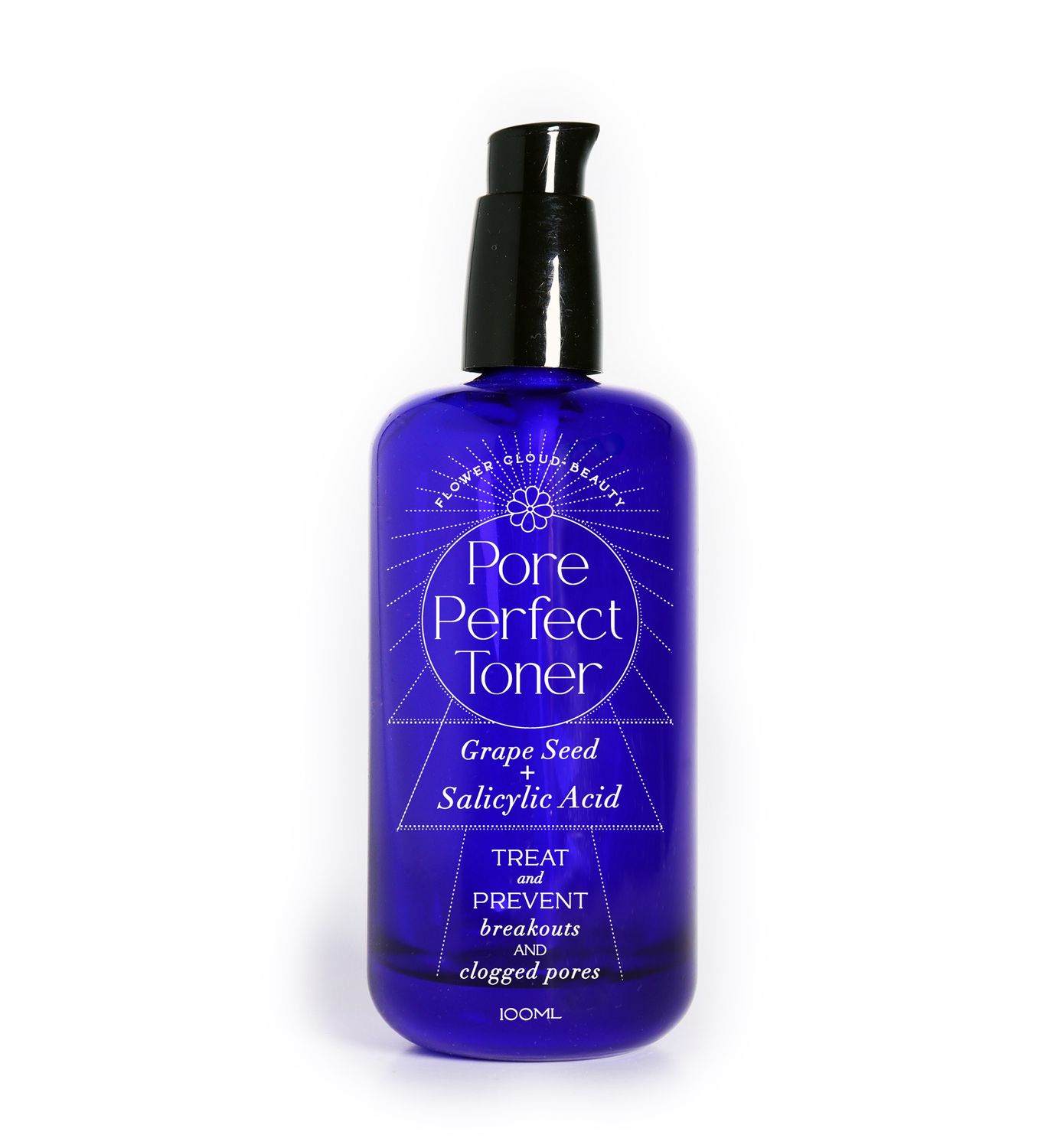
· Leave-on products: Toners (typically 5-10% concentration, like our Pore Perfect Sensitive Toner) are great for daily or every-other-day use.
· Professional Peels: In-clinic peels (often 25-50% concentration) provide a more intensive treatment and should be performed by a licensed professional.
Start slowly! Even though it's gentle, begin by using a product 2-3 times a week, gradually increasing frequency as your skin tolerates it. Sunscreen is non-negotiable. AHAs increase sun sensitivity, so diligent daily SPF use is crucial to protect your newly revealed skin and prevent further damage.
The Bottom Line
Mandelic acid is far more than a "gentle alternative." It's a first-choice active ingredient proven by science to effectively tackle acne, hyperpigmentation, and signs of aging without the typical backlash of irritation. If you have sensitive, acne-prone, or melanin-rich skin that has struggled with other acids, mandelic acid might just be the gentle giant you’ve been waiting for.
---
References
[1] Levesque, A., Hamzavi, I., Seite, S., Rougier, A., & Bissonnette, R. (2011). Randomized trial comparing a chemical peel containing a lipophilic hydroxy acid derivative of salicylic acid with a salicylic acid peel in subjects with comedonal acne. Journal of Dermatological Treatment, 22(5), 277–283. [This study demonstrates the efficacy and tolerability of mandelic acid peels for acne.]
[2] Dayal, S., Sahu, P., & Jain, V. K. (2020). A comparative study of efficacy and safety of 40% mandelic acid vs 30% salicylic-mandelic acid peel in melasma. Journal of Cosmetic Dermatology, 19(2), 393–399. [This study directly compares mandelic acid to a combined peel, showing comparable efficacy for melasma with a favorable side effect profile.]
[3] Sharad, J. (2013). Glycolic acid peel therapy – a current review. Clinical, Cosmetic and Investigational Dermatology, 6, 281–288. [While this review covers glycolic acid, it discusses the properties of various AHAs and specifically highlights the safety and suitability of mandelic acid for sensitive and rosacea-prone skin, citing its larger molecular size as a key advantage.]
Disclaimer: This blog post is for informational purposes only and does not constitute medical advice. Always consult with a dermatologist or healthcare provider before starting any new skincare treatment.
Refine by
Powered by Lightspeed
Display prices in:USD