caring for combination skin the smart way
How to Create More Balance and Avoid Dry/Oily Extremes
When people describe their skin as "combination" (which about 30% of Americans might), they're usually describing a tendency for their face to have an oilier "t-zone" (forehead, nose and chin) and drier cheeks, under eye area, and perhaps some dryness in the crease around the nose and around the mouth.
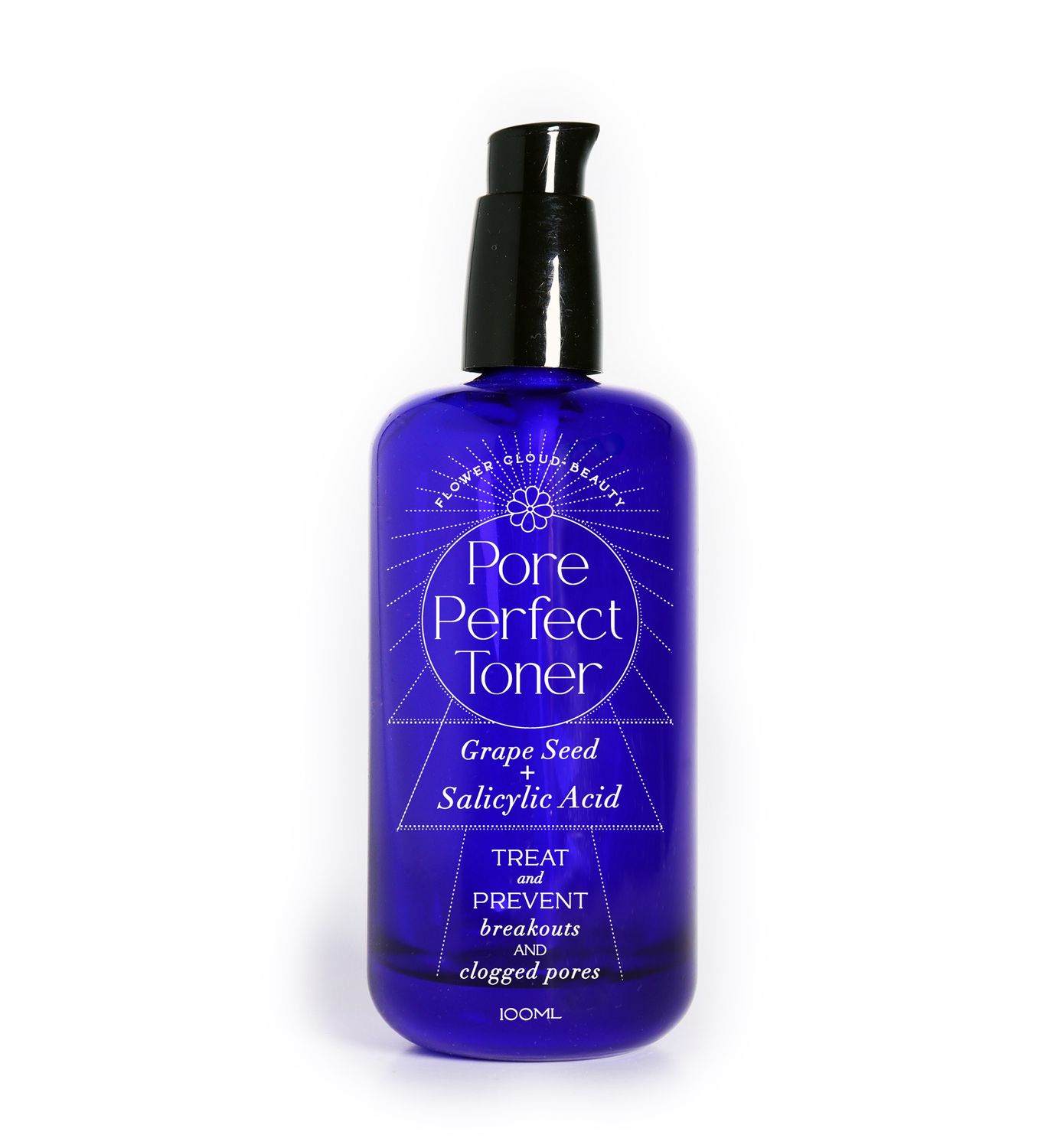
This skin type is a tricky one, because cleansers are typically formulated to remove oil from the surface. While this would certainly help an oily t-zone, overly detergent cleansers will exaggerate dryness that exists in other areas of the face. Similarly, most moisturizers are made for dry skin. Slathering on a typical moisturizer all over the face in a non-targeted way (including to an oily t-zone) will make the t-zone oilier still, and potentially contribute to clogged pores and breakouts.
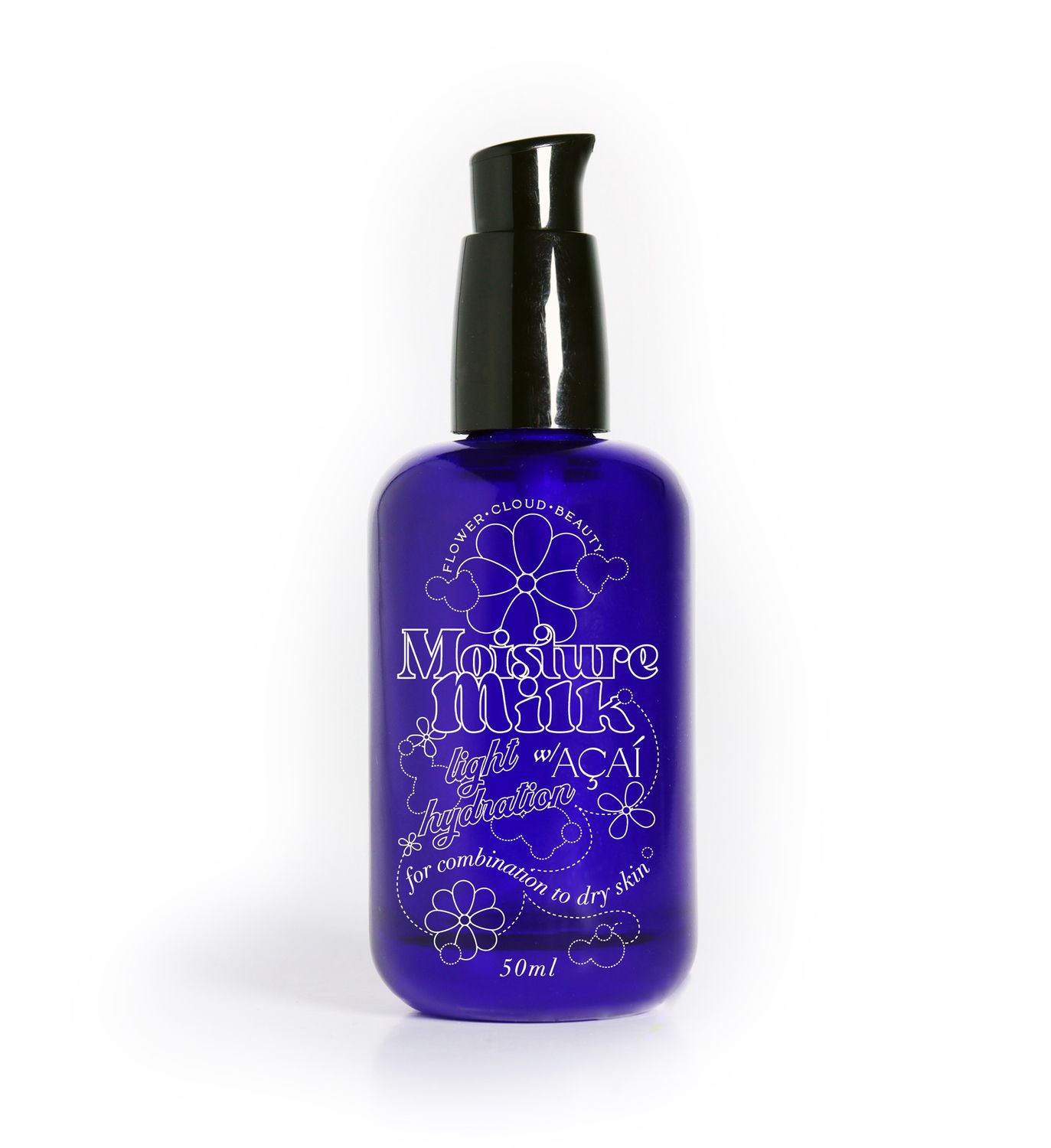
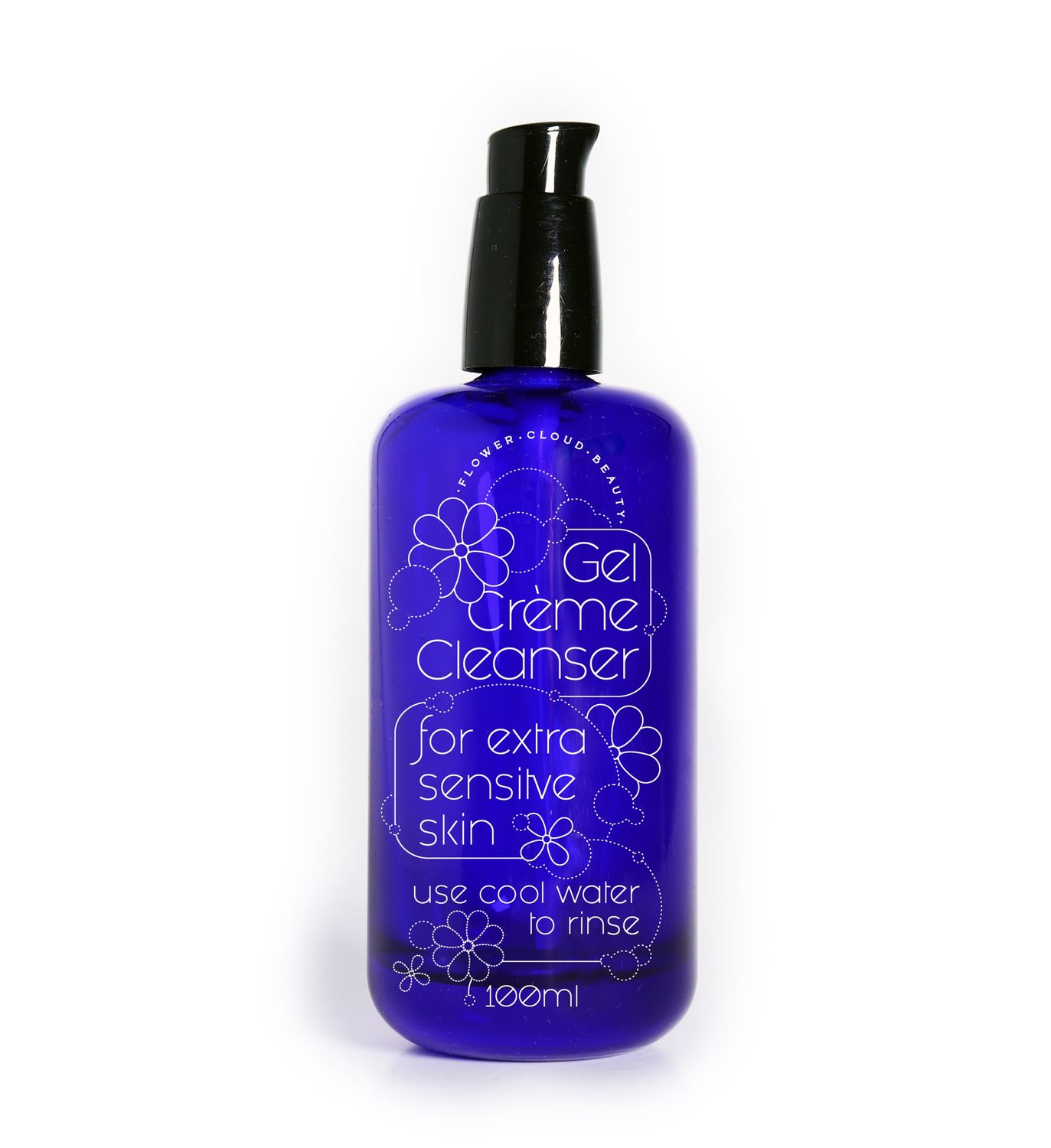
So, what's the best approach? Well, first of all, it's important for combination skin types to use a mild cleanser that won't strip the drier areas of the face but can also effectively cleanse oilier areas. Second, using a moisturizer in a targeted way to address drier areas of the face only goes a long way to creating more balanced conditions.
What about sunscreen? Yes, this must be applied over the entire face daily for optimal skin health and to help keep the skin tone even. It's perfectly fine to apply a richer moisturizer only under the eyes and around the nose and mouth, as long as you then follow it with a lightweight SPF over the entire face that won't create shininess in the t-zone.
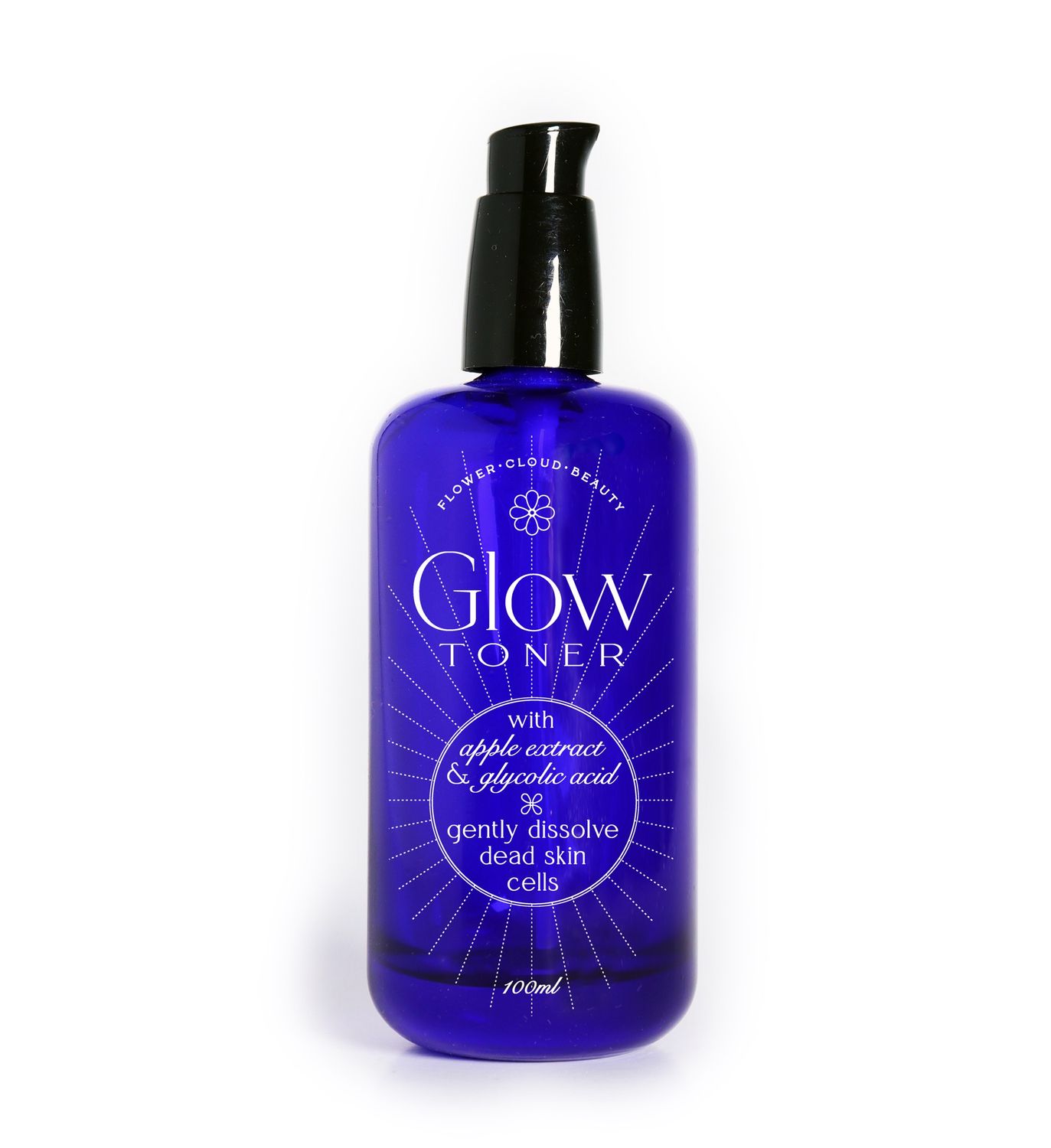
What about exfoliation? Well, that's a bit more complicated. Combination skin types are most likely to have different needs for exfoliation based on the season. In Winter and Fall, when the air is typically drier depending on where you live, a mild glycolic acid might be the best way to dissolve the dead skin cells that tend to make the face look flaky and dull. Moisturizers will better penetrate when you remove dead skin first!
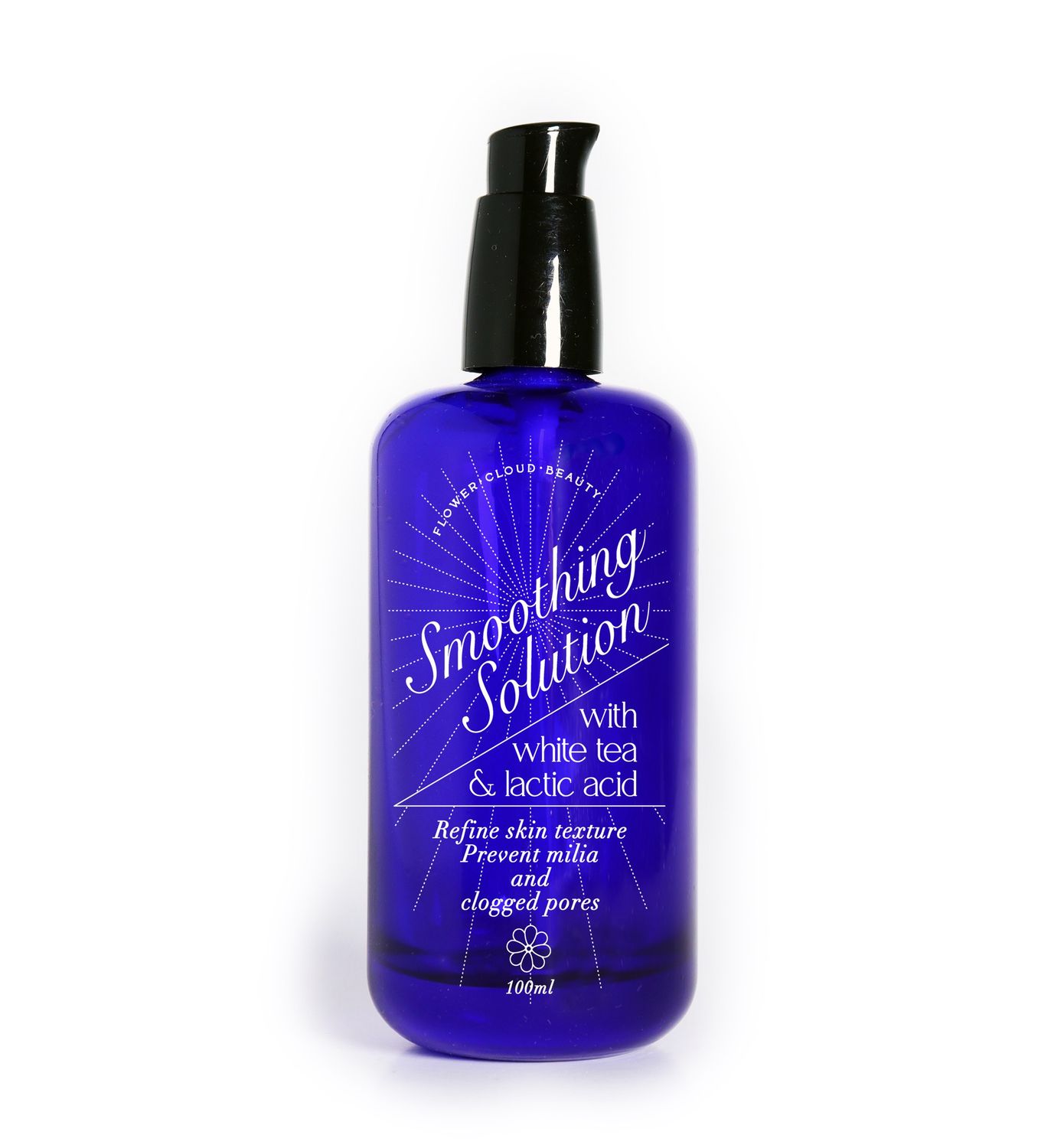
In Summer and Spring, when humidity and temperatures are higher, lactic acid (for sensitive combination skin types) or mandelic acid (for oilier combination skin types) might be the better choice because both of these acids are capable of penetrating the pore and dissolving trapped oil. Lactic acid in particular is excellent for dissolving and preventing milia (small hard, white bumps that appear and tend to stick around).
Sample Day/Night Routine
Morning: Control Oil Without Stripping
1. Cleanse Smart
A mild, fragrance-free cleanser + cool water (hot water = increased oil production in the pores, drier skin surface).
2. Exfoliate Where Needed
- Oily T-zone and where pores tend to get clogged: Mandelic acid or lactic acid
- Skip cheeks/nose crease/under eyes—no need to over-dry these zones.
3. Treat & Even Tone
- Consider using a serum with niacinamide in the t-zone (forehead, nose and cheeks):
- Regulates oil
- Calms redness
4. Hydrate Where Needed
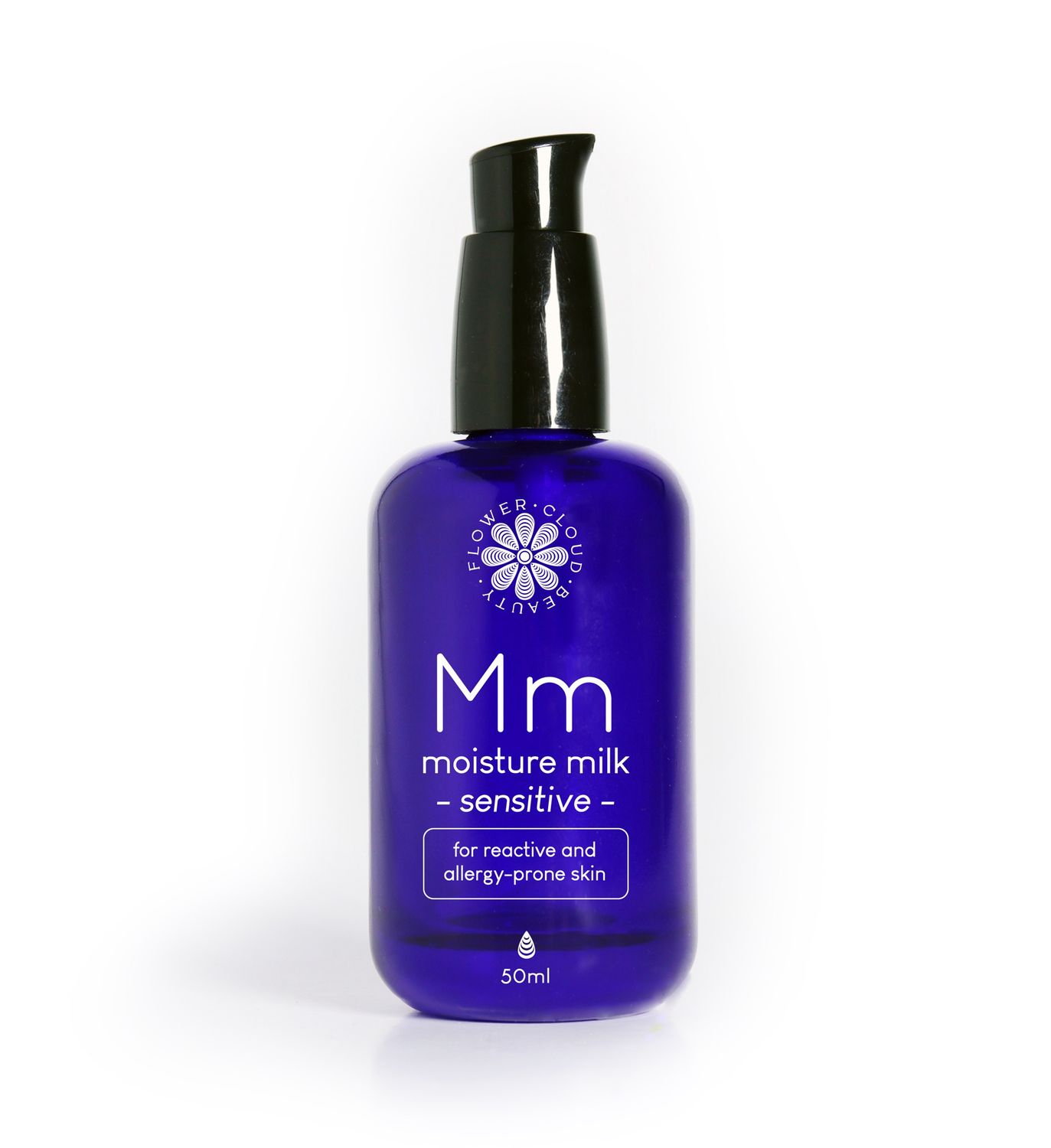
- Use moisturizers that are a lightweight, fluid texture to hydrate without greasiness.
5. SPF = Non-Negotiable
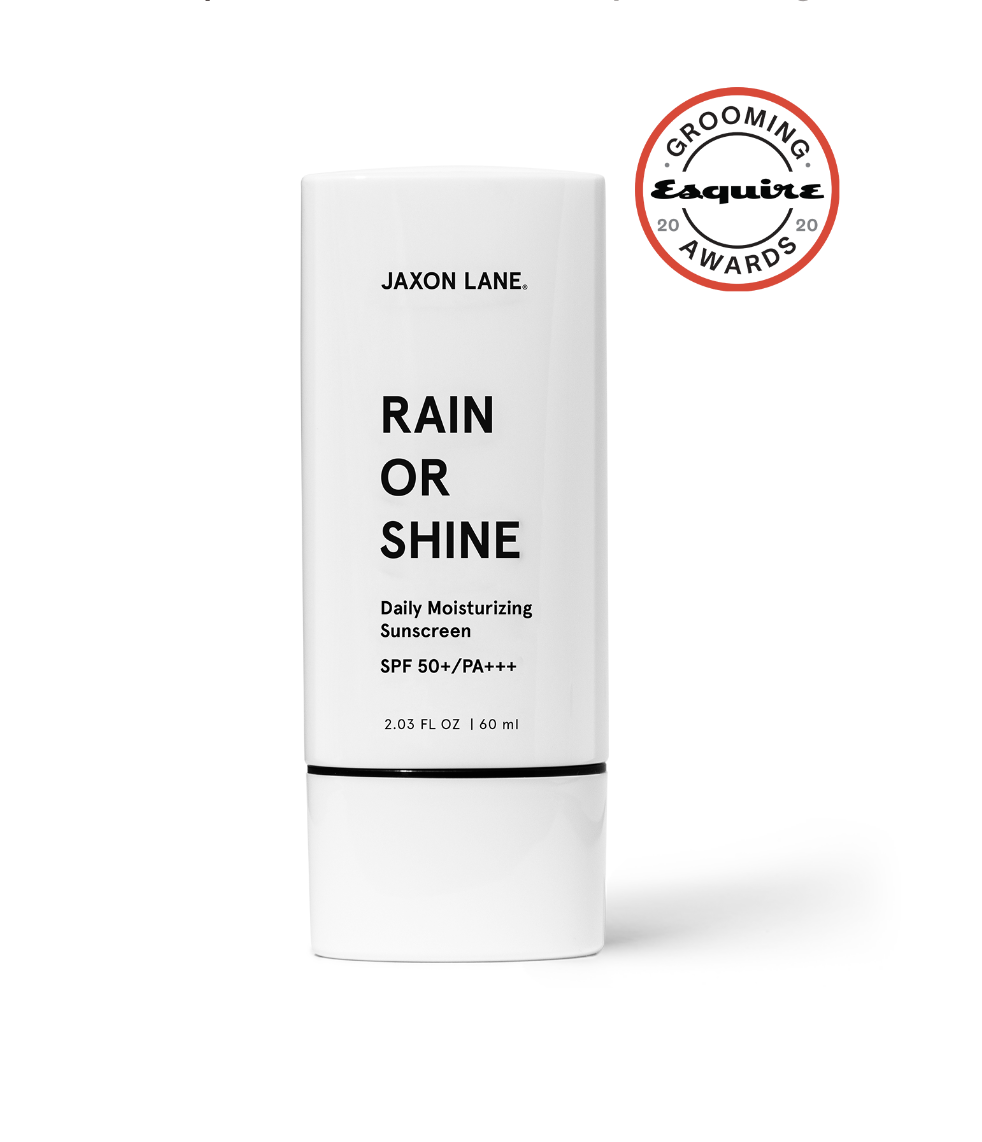
- Rain or Shine SPF 50 is our favorite for all skin types because it protects without creating shine or being overly mattifying.
Night: Repair + Prevent
1. Cleanse Again (yes, even if you’re tired—you shed oil and dead skin throughout the day and night).
2. Brighten Dull Areas:
-Consider glycolic acid to dissolved dead skin
3. Moisturize with Consideration:
- Apply moisturizer to drier areas of the face only
What Not to Do
Traditional Facials = Flare-Ups
- Steam inflames oiliness and dryness. Massage stimulates oil glands and can push pore-clogging heavy creams deeper into pores. If you get a facial, ask for cool water only and "effleurage" massage to reduce the risk of breakouts and capillary damage.
Fragrance = Foe
- Even “natural” essential oils break down your skin barrier → more oil + more dryness.
The Big Takeaway
Combination skin thrives on:
- Zone Therapy (treat areas differently).
- Lightweight Hydration (no greasy creams).
- Consistency (once you find the routine that works for you, stick to it but adjust seasonally).
Ready to simplify? Our Combination Skin Collection balances both extremes—no guesswork needed.
Why This Works
- Science-backed: Every product is tested on combo skin (no one-size-fits-all lies).
- No irritants: Fragrance-free, essential oil-free, no compromises.
Finally: A routine that respects your skin’s complexity—no more tug-of-war.
Shop our combination skin collection below:
Refine by
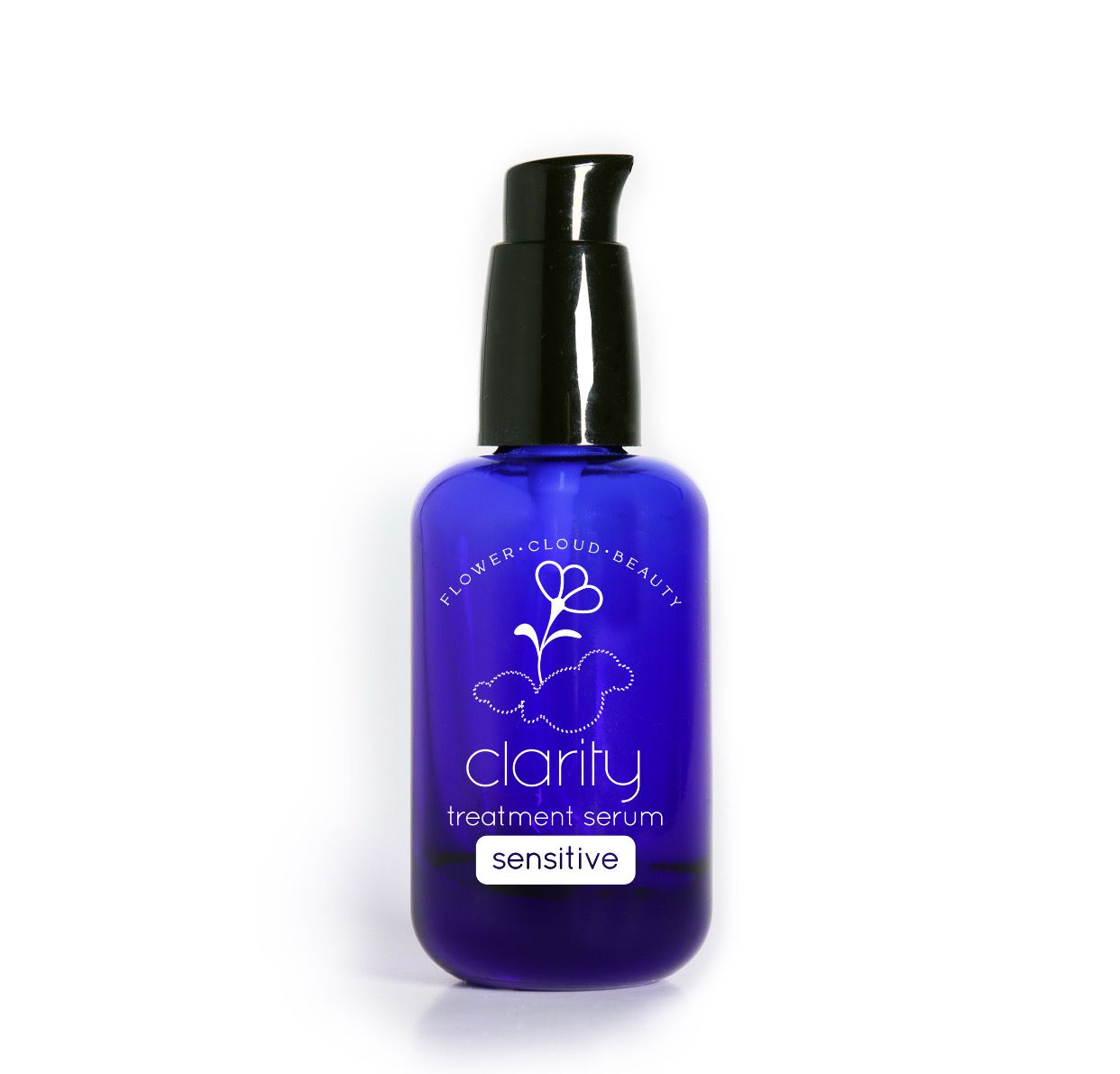
clarity serum sensitive
clarity serum sensitive
($7.50-$45) w/ tranexamic acid for sun damaged + sensitive skin
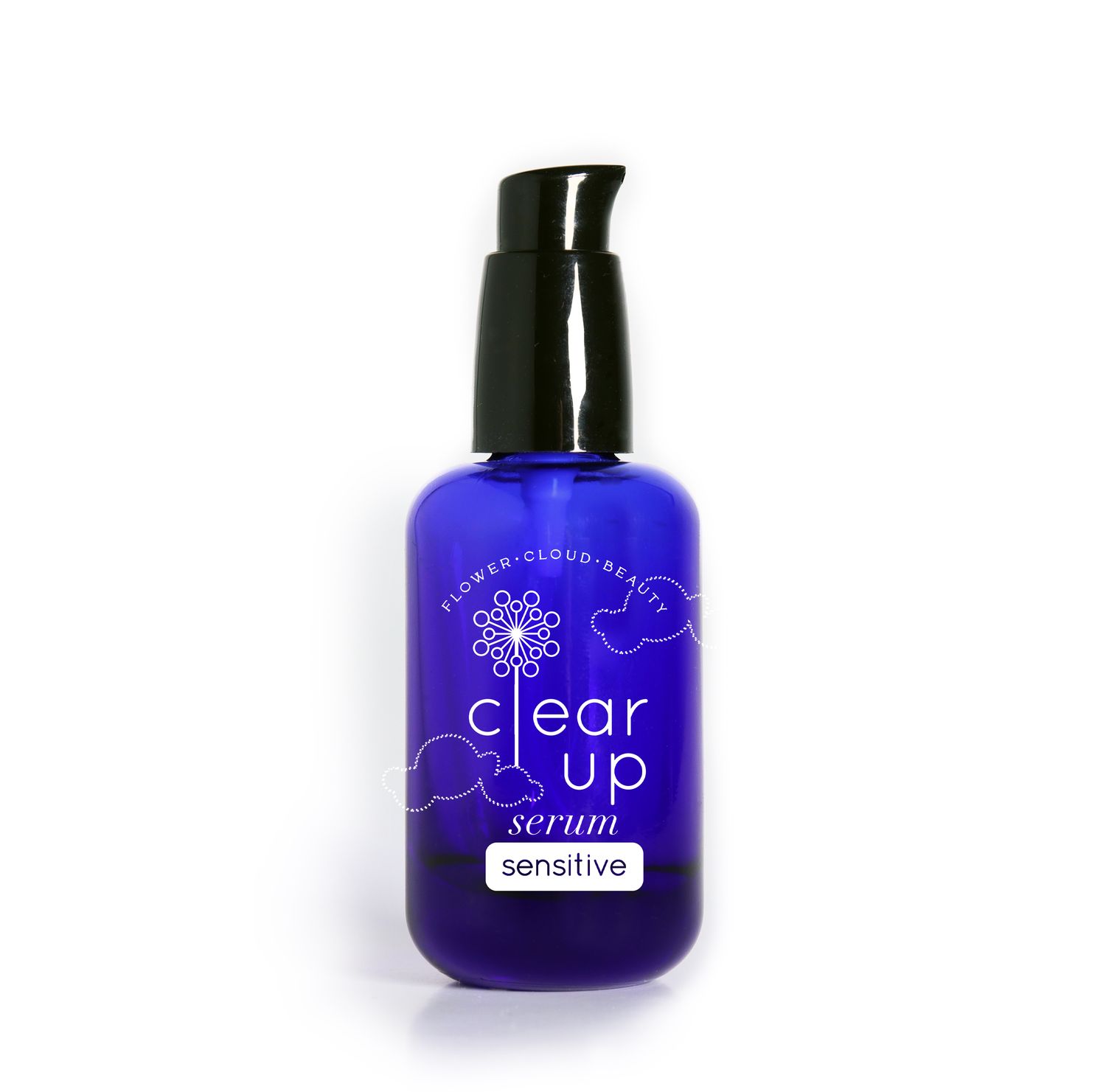
clear-up serum sensitive
clear-up serum sensitive
($6-$27.50) w/ zinc pca & azelaic acid for sensitive breakout-prone skin
Powered by Lightspeed
Display prices in:USD